ABUJA — Nigeria, once a dominant force in the global oil palm market, currently finds itself in the grip of a persistent structural contradiction. Despite possessing vast tracts of arable land and an ecological profile perfectly suited for oil palm cultivation, the nation continues to rely heavily on imports to bridge the widening gap between domestic production and consumption.
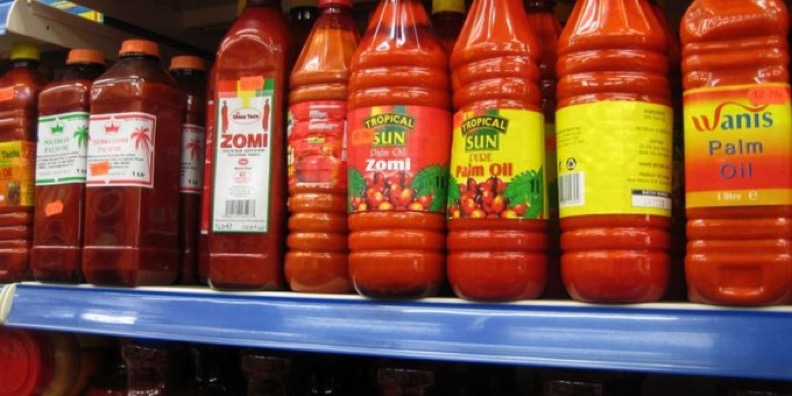
Data from the first quarter (Q1) of 2026 highlights the gravity of this situation: Nigeria spent approximately ₦23 billionimporting crude palm oil (CPO) from within the West African sub-region between January and March. This expenditure is not merely a line item in the national trade report; it represents a significant leakage of foreign exchange and a missed opportunity to catalyze industrial-scale agricultural development.
The Anatomy of a Trade Imbalance
The Q1 2026 trade data from the National Bureau of Statistics (NBS) paints a picture of an economy that is growing but struggling with foundational industrial gaps. While Nigeria recorded a remarkable 341% jump in its trade surplus during the same period—largely driven by robust crude oil exports—the agriculture sector remains a complex theater of under-performance.
In addition to the ₦23 billion spent on palm oil, the nation also incurred a cost of ₦9.55 billion for the importation of cocoa powder within the same three-month window. These figures collectively emphasize a trend where, despite various federal pledges to achieve "Green Gold" status, the reality on the ground remains tethered to import dependence.
The ₦1.2 Trillion Value Chain Gap
Industry experts and the Manufacturers Association of Nigeria (MAN) have long pointed to a “value chain gap” that costs the economy upwards of ₦1.2 trillion annually. The dependence on imported palm oil is driven by several systemic bottlenecks:
-
Refining Infrastructure Deficit: Nigeria possesses numerous processing mills, but many are either obsolete or operating at significantly reduced capacity. The absence of modern oleochemical plants means that even when crude palm oil is available, it often lacks the quality required for industrial applications in the cosmetic, pharmaceutical, and food-production sectors.
-
Yield Disparity: A significant portion of Nigeria's oil palm is still harvested from wild groves and traditional smallholdings. These traditional methods yield significantly less per hectare compared to the high-yielding tenera varieties used by global competitors in Southeast Asia.
-
The "Cost-of-Energy" Barrier: For local processors, the high cost of powering mills—often relying on diesel at exorbitant prices—renders local production cost-inefficient when compared to refined imports.
Weathering the Storm: Climate and Cultivation
Adding to the structural challenges are the shifting climate patterns observed across Nigeria’s “oil palm belt,” which encompasses states like Edo, Ondo, Cross River, and Akwa Ibom. Farmers have reported that the lack of predictable rainfall and the increasing frequency of extreme weather events—such as prolonged droughts or intense, destructive flooding—have disrupted harvest cycles in 2026.
Unlike the industrialized plantations of Indonesia or Malaysia, which utilize advanced irrigation and soil management systems, the typical Nigerian smallholder is highly vulnerable to these environmental fluctuations. Without a transition to climate-resilient farming techniques and improved extension services, the sector’s susceptibility to weather-driven yield decline will likely persist.
A Path Toward Industrial Self-Sufficiency
The ₦23 billion import bill for Q1 2026 is a call to action. To move from a net importer to a net exporter, economists suggest a departure from the "Anchor Borrowers" model toward an "Anchor Processor" approach:
-
Funding the Mill: The focus must shift to providing soft loans specifically for the procurement of modern, high-efficiency milling and refining machinery.
-
Land Titling and Digitization: To attract the large-scale industrial investment seen in Edo State’s "Edo State Oil Palm Programme" (ESOPP), land ownership must be formalized and digitized. Investors are often deterred by the uncertainty of land tenure.
-
Integrated Energy Solutions: Providing industrial clusters with gas-powered energy at subsidized rates would immediately lower the operational overhead for local processors, making "made-in-Nigeria" palm oil price-competitive against imports.
As the nation navigates the remainder of 2026, the data serves as a sobering reminder that natural resource endowment does not automatically translate into wealth. True agricultural prosperity requires the fusion of land, modern technology, and the political will to protect domestic value chains. Without these, the "Green Gold" of Nigeria’s past will remain a goal rather than a reality.