TEHRAN / WASHINGTON — Geopolitical tensions have reached a critical inflection point as Iran announced the suspension of all indirect negotiations with the United States. Following reports from Iranian state-affiliated outlet Tasnim, Tehran has vowed to "completely block" the Strait of Hormuz and activate additional fronts, including the Bab al-Mandeb Strait, in retaliation for ongoing military operations in Lebanon.
The Breakdown in Diplomacy
The suspension of communications marks a severe setback for diplomatic efforts to stabilize the Middle East. Iranian officials have linked their decision to the ongoing conflict between Israel and Hezbollah in Lebanon. Tehran insists that no dialogue will resume until Israel fully withdraws from occupied territories and ceases all military actions in both Lebanon and Gaza.
This development arrives just days after U.S. President Donald Trump indicated a potential decision regarding a ceasefire deal with Iran a meeting that ultimately concluded without a definitive outcome. The lack of progress, coupled with recent U.S.-Iran military exchanges, has left the region in a state of high alert.
Impact on Global Energy Markets
The Strait of Hormuz remains the world’s most vital maritime chokepoint for energy, with roughly 20% of global oil and liquefied natural gas (LNG) passing through the waterway in peacetime.
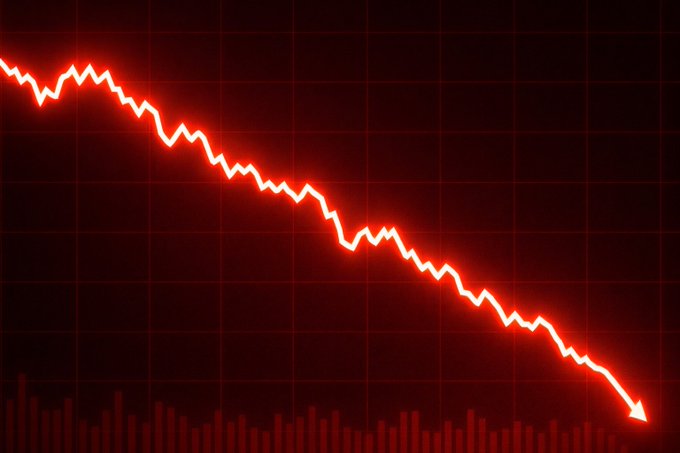
• Market Reaction: Brent crude prices surged by more than 5% immediately following the Tasnim report, reflecting deep-seated fears regarding supply chain integrity.
• Physical Constraints: The Strait has been effectively closed since late February 2026, when conflict intensified. Industry experts warn that reopening the route is not merely a matter of a ceasefire; it will require a massive, time-consuming operation to clear sea mines and restore maritime safety before tanker traffic can return to pre-conflict levels.
• Economic Outlook: International institutions, including Fitch Ratings, have revised their 2026 price forecasts upward, citing the prolonged closure of this critical artery as a primary driver for sustained high energy costs. Analysts warn that should these maritime threats manifest into a total, long-term blockade, the impact on global inflation and energy security could be profound.
Regional Context
This diplomatic freeze occurs amid a broader regional war that erupted in early 2026. With over 3,000 lives lost in the Lebanon conflict since March and over 1 million people displaced, the humanitarian and economic stakes continue to rise. As international mediators scramble to assess the impact of this breakdown, global markets remain highly sensitive to any shift in the military balance across the Persian Gulf and the Levant.