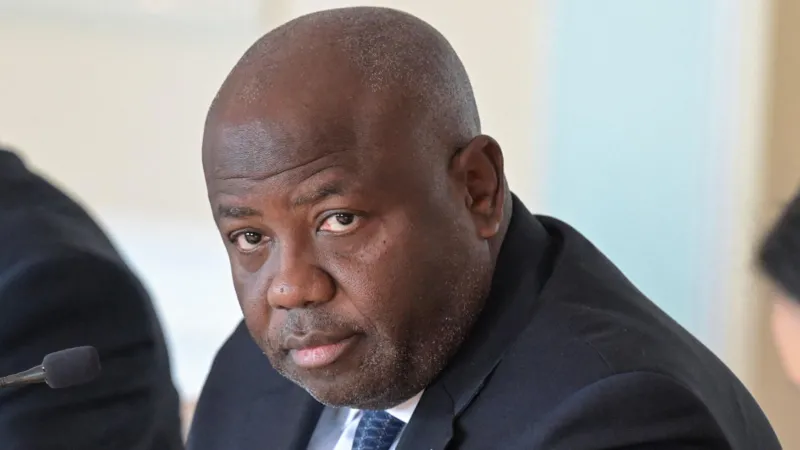
MALABO — The entire cabinet of Equatorial Guinea, led by Prime Minister Manuel Osa Nsue Nsua, officially resigned on Tuesday, June 16, 2026. The mass resignation follows an internal assessment which revealed that the government had achieved only about 10% of its assigned objectives.
Vice-President Teodoro Nguema Obiang Mangue, son of long-serving President Teodoro Obiang Nguema Mbasogo, announced the development via his official social media channels. He stated that the resignation of the cabinet was necessary, emphasizing the principle that public service must be grounded in measurable results.
Key Reasons for the Resignation
According to statements from the ruling Democratic Party of Equatorial Guinea (PDGE) and government officials, the cabinet was dismissed due to a critical lack of progress in several areas, including:
-
Low Execution Rates: The government failed to reach the vast majority of its set targets, with officials describing the 10% achievement level as "clearly insufficient" relative to the human, financial, and material resources allocated.
-
Economic Stagnation: Authorities cited a failure to effectively diversify the oil-rich nation's economy, specifically noting missed opportunities in the agricultural sector to reduce reliance on food imports.
-
Lack of Accountability: The ruling party pointed to issues of corruption, delays in the implementation of vital infrastructure and development projects, and the misuse of state resources for personal interests.
Context and Economic Challenges
Equatorial Guinea has been ruled by President Teodoro Nguema Obiang Mbasogo since 1979, making him the world's longest-serving leader. The outgoing government, which was appointed in 2024, has been operating under significant economic pressure. The country has faced a prolonged economic slowdown characterized by declining oil and gas production—the primary drivers of the national economy—rising poverty levels, and the need for structural reforms to stimulate private-sector growth.
Next Steps
The PDGE described the collective resignation as part of an institutional reorganization process designed to adapt the government structure to the state’s current priorities. While the resignation marks a significant internal shift, analysts suggest it is unlikely to change the overarching balance of power in the country, where the political system remains highly centralized under the president.
A new government is expected to be appointed in the coming days, with the stated goal of forming a more dynamic and effective administration capable of turning public resources into tangible development outcomes for the citizenry.