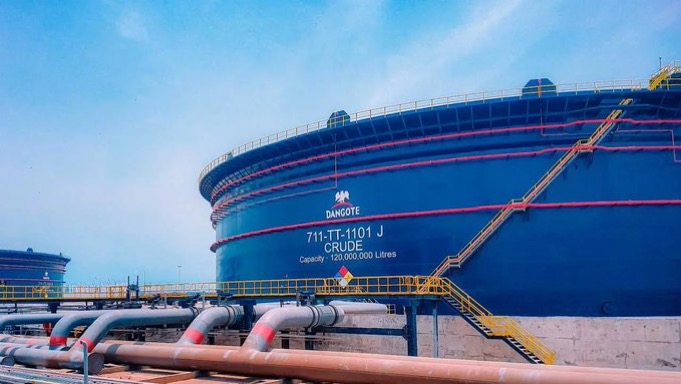
LAGOS — The Dangote Petroleum Refinery has announced a further reduction in the ex-depot prices of Premium Motor Spirit (petrol) and Automotive Gas Oil (diesel), marking a key shift in Nigeria's downstream petroleum sector as global oil markets begin to stabilize.
Updated Pricing Structure
The price adjustments, which took effect over the weekend, are as follows:
• Petrol (PMS): The ex-depot price has been reduced to ₦1,250 per litre, down from ₦1,275.
• Diesel (AGO): The price has been cut to ₦1,700 per litre, down from ₦1,800 (representing a 5.6% reduction).
Note: These adjustments follow a separate, earlier reduction in diesel prices to ₦1,600 recorded on May 26, reflecting the highly dynamic nature of current domestic fuel pricing.
Market Context
The latest price review comes as global oil markets show signs of cooling following renewed diplomatic efforts between the United States and Iran. Easing fears of prolonged disruptions along the critical Strait of Hormuz through which roughly 20% of global seaborne crude passes have contributed to a stabilization in international energy costs.
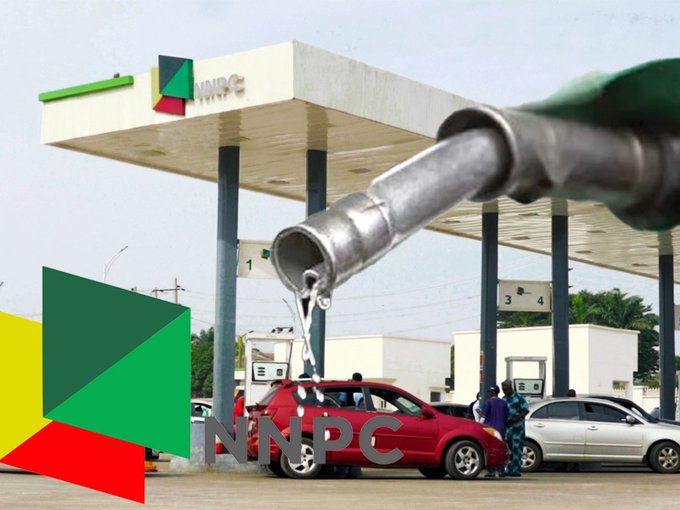
As Nigeria's energy sector evolves, the Dangote Refinery is increasingly functioning as a primary price-setter. Industry analysts suggest that while the refinery’s price cuts are intended to provide relief to businesses and consumers, the actual impact at retail filling stations will depend on logistics, distribution costs, and supply chain variables managed by individual marketers.
Economic Implications
For the Nigerian economy, where energy costs remain a primary driver of inflation, the move is viewed as a welcome intervention for the manufacturing, transport, and logistics sectors. By reducing reliance on imported fuel, the domestic refining ecosystem is gradually beginning to reshape market competition and influence the cost of doing business across the country.
However, market experts caution that despite these recent downward adjustments, fuel prices remain substantially higher than levels seen earlier in the year. The sustainability of these reductions will depend on future crude oil price movements, domestic refining output, and the broader macroeconomic environment.