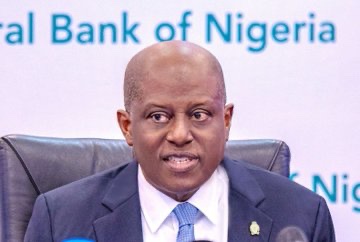
ABUJA — Central Bank of Nigeria (CBN) Governor, Olayemi Cardoso, officially unveiled the Payments System Vision 2028 (PSV 2028) on Monday, marking a strategic shift to leverage digital infrastructure as a primary engine for poverty reduction, economic growth, and financial formalization.
The Core Objective: Financial Inclusion as a Catalyst
Governor Cardoso emphasized that an efficient payment system is no longer just a financial utility but a "strategic national asset." The primary goal of PSV 2028 is to achieve 95% financial inclusion by 2028, effectively bringing 50 million additional Nigerians specifically market women, farmers, and youth into the formal financial system.
Key Pillars of the Vision 2028 Framework
The CBN, supported by the Nigerian Communications Commission (NCC) and other stakeholders, has built the strategy around five strategic pillars:
• Payment Infrastructure: Modernizing national systems to achieve full interoperability between banks and fintechs, ensuring real-time payments across all sectors.
• Financial Inclusion: Scaling the agent network (currently over two million) and leveraging mobile platforms to reach underserved rural communities.
• Innovation: Utilizing emerging technologies including Artificial Intelligence (AI), blockchain, and open banking to drive efficiency and create new economic opportunities.
• Cross-Border Payments: Deepening integration with the Pan-African Payment and Settlement System (PAPSS) to facilitate trade under the African Continental Free Trade Area (AfCFTA).
• Regulation and Cybersecurity: Prioritizing trust through robust risk management, AI-driven fraud detection, and identity verification via the Bank Verification Number (BVN) system.
Measurable Targets for 2028
To ensure the vision translates into economic impact, the CBN has set specific, ambitious benchmarks:
• Fraud Reduction: Targeting fraud losses of less than 0.001% of total transaction values.
• Cash Management: Reducing cash outside the banking system to less than 40% of total money in circulation.
• Digital Adoption: Expanding acceptance points for QR codes and "tap-to-phone" solutions in markets, transport hubs, and rural areas.
A Unified Economic Strategy
Governor Cardoso noted that this vision is part of broader reforms aimed at repositioning Nigeria to achieve a $1 trillion economy. Dr. Aminu Maida, Executive Vice Chairman of the NCC, added that the commission is actively expanding fiber and broadband infrastructure to support the connectivity required for these digital payment goals.
As Nigeria transitions from its previous "Payment System Vision 2020" framework which helped move the country away from being purely cash-based the 2028 vision focuses on measurable outcomes rather than just transaction volumes. The ultimate goal is to deepen national liquidity and connect small businesses to global markets.