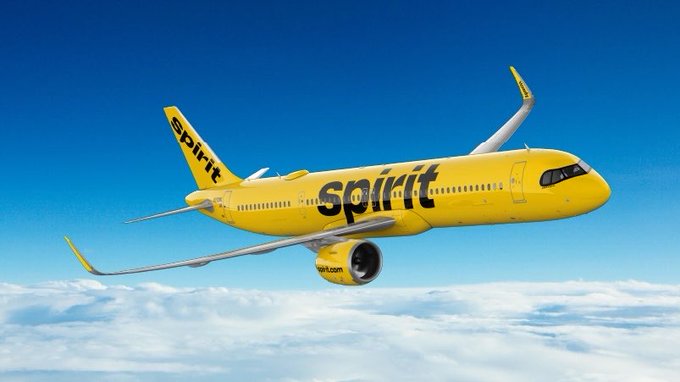
MIRAMAR, FL - Spirit Airlines, the pioneer of ultra-low-cost travel in the United States, has officially ceased all operations after failing to secure creditor support for a government-backed rescue mission. The collapse marks the first major airline casualty of the two-month-old Iran war, which has seen jet fuel prices double since the onset of the conflict.
The liquidation of the 34-year-old carrier is expected to result in thousands of immediate job losses and the removal of a key player that accounted for 5% of all U.S. flights at its peak.
The Failed $500 Million Bailout
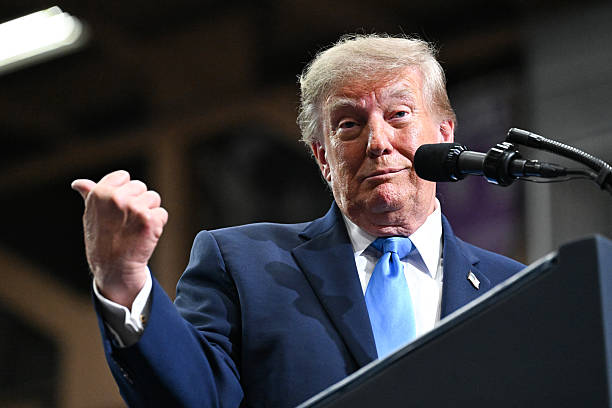
The airline’s demise follows a high-stakes political battle in Washington. Despite Spirit entering its second bankruptcy in less than two years, U.S. President Donald Trump had proposed a $500 million emergency bailout to keep the carrier airborne.
Political Friction: The proposal faced stiff resistance from many Republicans in Congress and even some of the President’s closest advisers.
Creditor Rejection: Creditors ultimately refused to back the government plan, citing the unsustainable surge in fuel costs and the airline's fragile financial state.
The Iran War Impact
Spirit’s business model predicated on low margins and high volume—was uniquely vulnerable to the energy shock triggered by the Iran war.
• Fuel Surge: Jet fuel prices have doubled in just 60 days, making Spirit’s low-fare structure economically impossible without massive subsidies.
• Historic Liquidation: This is the first time in over two decades that a U.S. carrier of this scale has liquidated entirely rather than restructuring.
Impact on Travelers: Lower Fares at Risk
Industry experts warn that the loss of Spirit will have a ripple effect on the average cost of flying in America.
Competitive Pressure: Spirit was credited with keeping fares lower in markets where it competed directly against "Big Four" major carriers.
Market Void: With Spirit’s 5% flight capacity gone, analysts expect immediate fare hikes on popular domestic routes as competition thins.