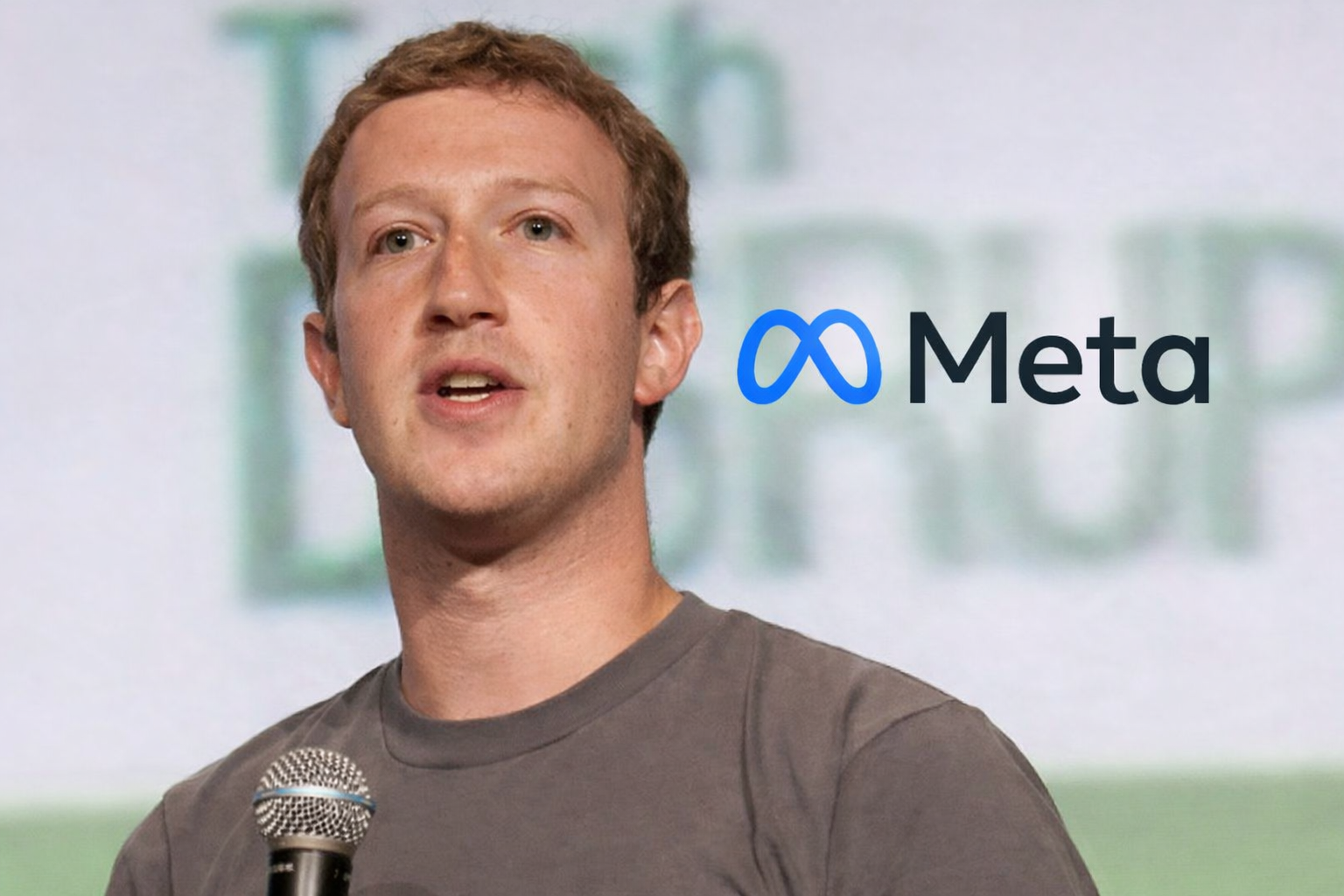
MENLO PARK — Reshaping its corporate structure to dominate the next era of digital technology, Meta Platforms has executed a massive round of redundancies, laying off approximately 8,000 employees. The sweeping job cuts are part of an aggressive, top-down internal restructuring designed to pivot the social media giant away from traditional operations and reposition it entirely as an artificial intelligence-first organization.
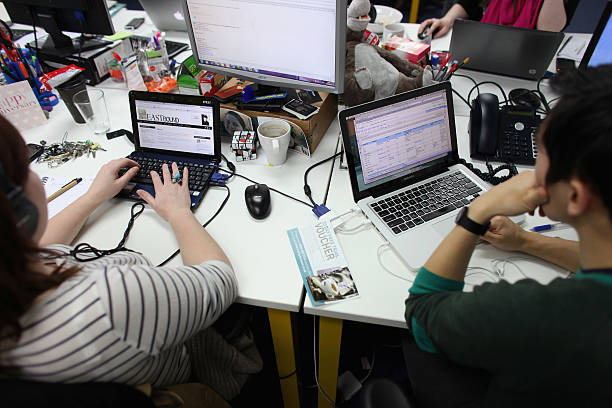
The layoffs account for nearly 10 percent of Meta’s global workforce. The corporate downsizing was executed globally, with pink slips hitting engineering, product development, and administrative divisions across North America, Europe, and the Asia-Pacific region simultaneously. Affected workers reportedly received automated termination notifications in the early hours of the morning, instantly cutting off their access to internal company servers and communication channels.
The Great Realignment: 7,000 Employees Redeployed to AI Teams
The massive workforce reduction comes as Meta's Chief Executive Officer, Mark Zuckerberg, doubles down on generative AI, large language models (LLMs), and automated ad-targeting systems, which he has repeatedly classified as the single most critical technology shaping the company's long-term survival.
To counterbalance the layoffs, Meta announced it has concurrently redeployed roughly 7,000 remaining employees into newly minted, high-priority AI-driven projects. This internal talent migration signals a profound, permanent shift in the company’s operational architecture. Legacy departments, including certain content moderation structures, non-automated ad sales divisions, and experimental metaverse hardware teams, bore the brunt of the cuts, while technical infrastructure and core machine learning units were heavily reinforced.
The rapid, automated transition has sparked widespread anxiety across Meta's remaining workforce. Internal message boards are reportedly flooded with employee concerns regarding long-term job security, as Zuckerberg's push integrates AI agents directly into Meta's day-to-day operations, automated coding pipelines, and internal staff training modules.
The Data Rebellion: Staff Petitions Demand Transparency
Beyond immediate fears of automation-driven job loss, the restructuring has ignited an internal labor rebellion regarding Meta’s data aggregation ethics. A significant faction of employees has openly objected to the company's aggressive internal data-harvesting practices, which are being used to train its proprietary AI models.
Reports indicate that formal employee petitions are circulating heavily across major corporate campuses in Menlo Park, London, and Singapore. The workers are demanding absolute administrative transparency and the immediate implementation of strict contractual limits regarding how Meta collects, stores, and processes its own employees' communications, source code contributions, and behavioral data to train the very algorithms designed to replace human labor.
A $100 Billion Bet on Silicon and Servers
Defending the painful restructuring strategy, Mark Zuckerberg maintained that the deep staff cuts are a necessary sacrifice to ensure Meta retains its competitive edge against formidable Big Tech rivals like Microsoft, Google, and OpenAI.
Despite cutting thousands of human salaries from its balance sheet, Meta is aggressively expanding its capital expenditure. The company confirmed it is on track to spend a staggering $100 billion this year alone dedicated exclusively to AI-related data centers, custom silicon chip procurement, advanced algorithmic research, and consumer product development.
Zuckerberg insisted that the tech conglomerates leading the current artificial intelligence arms race will decisively dictate the parameters of the next generation of global digital services. While acknowledging the severe emotional and financial impact on departing staff, the Meta CEO emphasized that the transition to a leaner, algorithmically driven corporate structure is an existential necessity to secure Meta's market dominance over the next decade.