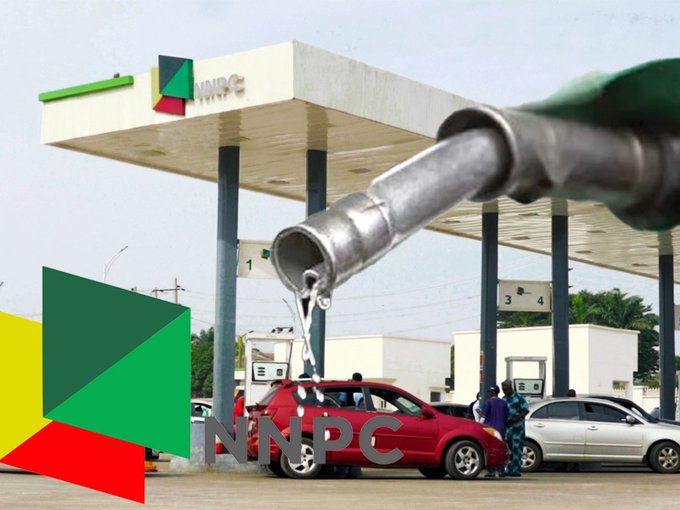
Nigeria spent N952.15 billion on imported petrol in the second quarter of 2026, even as domestic refineries increased their contribution to the local market and tensions intensified between the Dangote Petroleum Refinery and fuel importers.
The latest figures from the National Bureau of Statistics (NBS) show that the value of Premium Motor Spirit, popularly known as petrol, imported into the country jumped by almost 11 times between the first and second quarters of the year.
According to an analysis of the NBS Foreign Trade in Goods Statistics report for the second quarter, Nigeria imported petrol worth N87.40 billion in Q1 2026, meaning the import bill increased by N864.75 billion, or 989.4 per cent, in Q2.
The development has renewed questions about Nigeria’s continued reliance on imported petrol at a time when the country’s domestic refining capacity is expanding, particularly with the increasing output of the Dangote refinery.
Petrol becomes Nigeria’s largest imported commodity
The NBS ranked “Motor Spirit Ordinary” as Nigeria’s largest imported commodity during the second quarter of 2026.
Petrol imports worth N952.15 billion accounted for 6.60 per cent of Nigeria’s total import bill of N14.42 trillion during the quarter.
Other major imported commodities included crude petroleum, durum wheat, used vehicles with diesel or semi-diesel engines, and motorcycles.
Despite the huge increase compared with the first quarter, however, the latest figure represents a substantial decline from the corresponding period in 2025.
Nigeria imported approximately N2.83 trillion worth of petrol in Q2 2025. Compared with the N952.15 billion recorded in Q2 2026, this represents a year-on-year decline of about N1.88 trillion, or 66.4 per cent.
This means that while petrol imports surged sharply between the first and second quarters of 2026, the country was still importing considerably less petrol in monetary terms than it did during the same quarter a year earlier.
Domestic refining increased
One of the most significant aspects of the latest figures is that the surge in the value of imported petrol did not correspond with a similar increase in import volumes.
Data from the Nigerian Midstream and Downstream Petroleum Regulatory Authority showed that imported petrol averaged 11.23 million litres per day in Q1 2026.
The average fell to 9.23 million litres per day in Q2, representing a decline of about 17.8 per cent.
However, the value of petrol imports increased dramatically during the same period.
The figures suggest that higher international petroleum prices played an important role in pushing up the value of imports, rather than Nigeria simply importing significantly larger volumes of petrol.
The second quarter also saw domestic refinery supply increase.
Average domestic refinery supply rose from 34.57 million litres per day in Q1 to 38.23 million litres per day in Q2, representing an increase of 10.6 per cent.
As a result, domestic refineries’ share of petrol supply increased from approximately 75.5 per cent to 80.5 per cent, while the share supplied through imports fell from 24.5 per cent to 19.5 per cent.
The figures therefore present a complicated picture: Nigeria’s dependence on imported petrol by volume was declining, but the amount of money spent on imports rose sharply.
Dangote refinery and importers remain at odds
The latest import figures come amid a growing dispute between the Dangote Petroleum Refinery and petroleum marketers over the continued importation of refined petrol.
The Dangote refinery has argued that continued imports are making it more difficult to plan production and maintain appropriate inventories because it cannot accurately predict how much petrol will enter the Nigerian market through import licences.
The refinery recently said imported petrol accounted for approximately 43 per cent of fuel supplied to the Nigerian market in July.
Dangote has also warned that continued imports were forcing the refinery to consider exporting excess petrol to other markets when domestic demand could not absorb its available stocks.
The refinery has maintained that it has sufficient inventory and reserves to support the Nigerian market, but said holding large volumes of petrol indefinitely becomes commercially difficult when substantial quantities of imported products continue to arrive.
The dispute has also involved concerns over product quality and the alleged blending of imported petrol with products supplied by the Dangote refinery.
The refinery has raised concerns about the ability to independently verify and certify the specifications of imported petroleum products entering the country.
Importers and petroleum marketers, however, have rejected suggestions that imports should be restricted and challenged the refinery to provide evidence that imported petrol entering the Nigerian market does not meet the required quality standards.
Imported petrol now more expensive than local supply
The latest market data also indicate that imported petrol was more expensive than locally refined petrol during the period under review.
According to figures cited from the Major Energies Marketers Association of Nigeria, the Dangote refinery’s gantry price stood at N1,265 per litre, while the spot import-parity price was about N1,310.64 per litre under one benchmark.
Under another benchmark, the import-parity price was N1,309.63 per litre.
That meant imported petrol was about N45 per litre more expensive than the Dangote product under the benchmarks cited.
The figures have strengthened calls from some petroleum marketers for the Federal Government to reconsider the continued issuance of petrol import licences.
The Independent Petroleum Marketers Association of Nigeria has argued that allowing imports was originally intended to increase competition and help keep domestic fuel prices in check.
However, the association has questioned whether that objective is being achieved if imported petrol is arriving at a higher cost than locally refined products.
IPMAN calls for review of import licences
IPMAN National Publicity Secretary Chinedu Ukadike has called for a transparent review of issues surrounding petrol import licences, pricing and the sale of petroleum products in dollars.
According to Ukadike, marketers expected imported products to provide competitive pressure on domestic refiners.
Instead, he argued that products brought into Nigeria under recently issued import licences were being offered at prices higher than products supplied by the Dangote refinery.
The position highlights the difficult balance facing regulators.
On one hand, allowing imports can provide an alternative source of petrol and potentially prevent excessive dependence on a single domestic supplier.
On the other hand, when domestic refineries can supply petrol at a lower price than imported products, continued reliance on imports could weaken the competitiveness of local refining.
Nigeria is importing and exporting petrol
The latest trade figures reveal another striking feature of Nigeria’s petroleum market.
While the country imported N952.15 billion worth of petrol in Q2 2026, it also exported N546.02 billion worth of PMS during the same period.
Petrol exports increased from N452.48 billion in Q1 to N546.02 billion in Q2, representing a rise of about 20.7 per cent.
Petrol exports accounted for approximately 2.02 per cent of Nigeria’s total exports of N27.02 trillion during the quarter.
African markets accounted for a substantial portion of the exported petrol.
Nigeria exported petrol worth N416.78 billion to African countries, while West African countries alone received products worth approximately N376.46 billion.
This means African countries accounted for more than three-quarters of Nigeria’s PMS exports during the quarter, with West Africa representing the largest regional destination.
The development reflects the growing role of Nigeria’s expanding refining capacity in regional petroleum markets.
Dangote says Nigeria has become a net exporter of refined products
Against the backdrop of increasing exports, Dangote Group President Aliko Dangote recently said Nigeria had become a net exporter of refined petroleum products.
Speaking at a Global Commodity Insights Conference on West African Refined Fuel Markets hosted by the NMDPRA in partnership with S&P Global Insights, Dangote said his refinery had exported about one million tonnes of PMS from the beginning of June to the time of his remarks.
The claim underscores the transformation taking place in Nigeria’s downstream petroleum sector as domestic refining expands.
However, the NBS trade figures provide a different picture when imports and exports are compared specifically by value.
Nigeria’s Q2 petrol imports of N952.15 billion were approximately N406.12 billion higher than its PMS exports of N546.02 billion.
In value terms, therefore, the country remained a net importer of petrol during the quarter.
The difference does not necessarily contradict claims about physical exports because trade values, volumes, timing and individual transactions can differ. Nevertheless, the figures show that Nigeria continued to spend substantially more on imported PMS than it earned from petrol exports during the quarter.
Global oil prices also affected the import bill
The sharp increase in Nigeria’s petrol import bill occurred during a period of elevated international energy prices.
The data cited in the report suggest that the nearly 11-fold increase in the value of imports was influenced significantly by higher international fuel prices, particularly because imported volumes actually declined on average between the first and second quarters.
The period also coincided with disruption in global oil markets linked to the conflict involving the United States and Iran, which pushed crude oil and refined petroleum product prices higher.
This is important when assessing the N952.15 billion figure.
The amount spent on imports does not necessarily mean Nigeria imported 11 times as much petrol as it did in the first quarter. Rather, the country’s import expenditure rose far faster than the volume of imported petrol.
What the figures mean for Nigeria’s fuel market
The latest data highlight a major transition in Nigeria’s downstream petroleum sector.
For years, the country relied heavily on imported refined petrol despite being one of Africa’s largest oil producers. The expansion of domestic refining, particularly the Dangote refinery, is changing that structure.
Domestic refineries supplied a larger share of petrol in Q2 than they did in Q1, while the average volume of imported petrol declined.
At the same time, the country continued to import substantial quantities of petrol and spent almost N1 trillion on those imports in just three months.
The resulting dispute between domestic refiners and importers is therefore not simply a disagreement between private businesses. It is part of a wider debate over how Nigeria should structure its petroleum market, encourage domestic refining, maintain competition and protect consumers from excessive fuel prices.
For consumers, the central question remains whether increasing domestic production will eventually translate into more stable and affordable petrol prices.
For refiners, the issue is whether domestic facilities will receive enough market access and crude feedstock to operate efficiently.
For importers, continued access to the Nigerian market remains important for maintaining competition and ensuring alternative supply.
And for regulators, the challenge is to balance those competing interests without undermining domestic investment or leaving consumers exposed to supply disruptions and high prices.
The Q2 figures show that Nigeria is moving toward greater domestic refining, but the transition is far from complete. The country is simultaneously producing more petrol locally, importing significant volumes and exporting refined products to neighbouring markets.
How the Federal Government and petroleum regulators resolve the ongoing dispute over import licences, pricing, product quality and market access could therefore play a significant role in determining the future of Nigeria’s downstream petroleum industry.