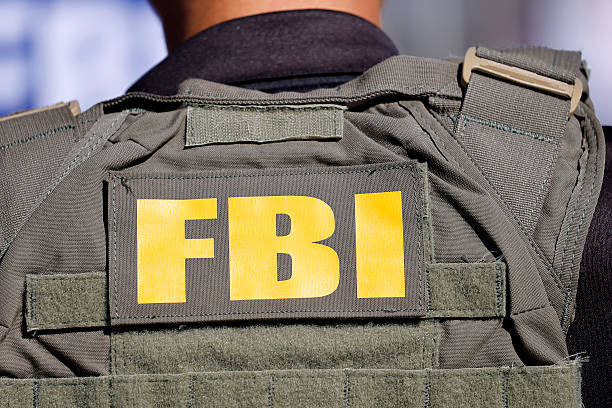
MIAMI, UNITED STATES — In a major cybercrime enforcement action, federal agents with the Federal Bureau of Investigation have arrested a 21-year-old Florida man accused of orchestrating a sophisticated digital asset theft campaign targeting video game enthusiasts. U.S. federal prosecutors formally charged Zyaire Wilkins, along with several unnamed co-conspirators, for utilizing Valve’s popular PC gaming platform, Steam, to distribute malware-infected video games designed to compromise personal computers, steal sensitive user credentials, and drain cryptocurrency wallets.
The arrest follows a multi-year investigation into a specialized cybercrime group that successfully uploaded malicious gaming titles to the Steam store. According to a criminal complaint unsealed in federal court, the group's malware infected an estimated 8,000 personal computers worldwide, leading to the unauthorized intrusion of at least 80 cryptocurrency wallets and the direct theft of more than $220,000 worth of digital assets.
Federal authorities executed the arrest warrant on Tuesday, taking Wilkins into custody at his residence in Florida. The prosecution marks a significant milestone in efforts by federal law enforcement to combat emerging cyber threats that leverage legitimate digital distribution networks to compromise decentralized financial assets.
The Attack Vector: Disguising Malware as Playable Video Games
The primary attack method utilized by Wilkins and his co-conspirators involved creating fully functional video games that doubled as delivery mechanisms for invasive infostealer malware. Over a two-year operational window, the group developed and published several titles on the Steam platform, including BlockBlasters, Dashverse, Lampy, Lunara, and PirateFi.
To maximize infection rates, the bad actors ensured that the games appeared completely legitimate to the casual user. Players could download, install, and actively play the titles without immediately noticing any operational anomalies. Behind the scenes, however, the installation package executed hidden background scripts designed to establish persistent access on the victim's operating system.
Once activated, the malware executed automated routines to harvest stored browser credentials, session cookies, personal identification data, and private cryptographic keys. The primary objective of the code was to locate active browser extensions and software applications associated with cryptocurrency wallets, allowing the conspirators to extract private seeds and initiate unauthorized transfers of funds to controlled external wallet addresses.
To drive traffic to their infected store pages, the operators conducted promotional campaigns across popular social media platforms and communication channels, including Discord, LinkedIn, and Telegram. By framing the projects as innovative indie games or blockchain-integrated gaming experiences, the group successfully convinced thousands of users to download the malicious files.
On-Chain Analysis and the Investigation Trail
The federal investigation into the cybercrime ring accelerated in March when the FBI issued a public advisory confirming an active probe into malware-laden games published on Steam. The bureau called upon affected gamers who had installed the specific titles to come forward and submit forensic evidence to assist federal investigators in tracing the malicious infrastructure.
A critical breakthrough occurred after federal agents identified and interviewed an unnamed individual linked to the scheme. According to the criminal complaint, the individual admitted to collaborating with a network of accomplices to secure capital for launching and marketing the malicious games on Steam, receiving a percentage of the stolen cryptocurrency as compensation.
Forensic analysts with the FBI’s Cyber Division subsequently conducted deep-level blockchain analysis, tracking the movement of stolen funds across various decentralized ledgers. Investigators successfully identified a key cryptocurrency wallet used to consolidate the proceeds of the thefts. The on-chain tracking revealed that portion of the stolen digital assets was converted to fund the purchase of digital gift cards, including credits for the delivery service Uber Eats.
Federal prosecutors served a legal subpoena on Uber Technologies Inc., which returned transaction logs connecting the gift card redemptions to a specific user profile. The account details revealed delivery addresses matching Wilkins' residential location in Florida. The profile was also linked to an online alias, "Sibel.eth," which the suspect utilized across various Web3 and social platforms.
Armed with digital evidence linking the on-chain transactions to physical delivery records, federal agents obtained a search warrant for Wilkins’ residence. During the execution of the warrant, law enforcement officers seized multiple electronic devices, including a MacBook laptop, mobile phones, hardware storage units, and digital wallet files. Upon his arrest, Wilkins exercised his constitutional right to remain silent, refusing to answer questions from investigating agents. His legal counsel has not issued a formal public statement regarding the charges.
Platform Vulnerabilities and Security Responses
The case highlights ongoing security challenges faced by major digital distribution platforms like Steam, which hosts tens of millions of active daily users. While Valve maintains automated security scanning procedures to detect malicious code prior to publication, cybercriminals frequently employ obfuscation techniques and delayed-payload tactics to bypass initial vetting mechanisms.
Over the past year, Valve has taken action by removing multiple flagged titles from the Steam store after security researchers and federal authorities alerted the company to embedded malware. Titles such as PirateFi were permanently delisted once their malicious nature was confirmed. However, the ability of bad actors to maintain operational games on the store for extended periods raises broader questions about supply chain security in the digital PC gaming ecosystem.
Cybersecurity experts recommend that gamers exercise heightened caution when downloading titles from unknown or newly established developers, even on reputable storefronts. Maintaining updated antivirus software, utilizing hardware wallets for high-value cryptocurrency holdings, and enabling multi-factor authentication across all sensitive accounts remain essential defensive measures against modern infostealer malware.
As legal proceedings against Wilkins begin in federal court, the case serves as a stark warning to cybercriminals attempting to exploit mainstream gaming platforms for financial gain. Federal authorities confirmed that the investigation remains active as agents work to identify additional co-conspirators and recover stolen digital assets for the affected victims.