WASHINGTON — In a rare, high-profile display of bipartisan unity amid a deeply fractured legislative calendar, the United States Senate has unanimously passed a sweeping resolution designed to halt salary disbursements for lawmakers during federal government shutdowns.
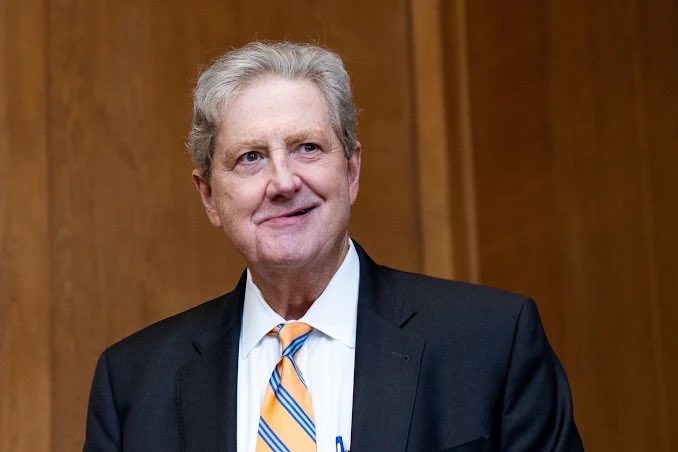
The legislative measure, introduced and championed by Senator John Kennedy (R-La.), cleared the upper chamber on Thursday evening via a swift, unanimous voice vote. Structurally, because the resolution operates as an internal governance mechanism altering the specific administrative functions of the upper chamber, it takes effect automatically following the 2026 midterm elections without requiring parallel passage through the House of Representatives or the signature of the President.
According to the official text of the resolution:
"During any period in which a Government shutdown is in effect, the Secretary of the Senate shall disburse and hold any payments otherwise required to be made with respect to such period for the compensation of each Senator."
The Mechanism: Temporary Holds and Guaranteed Back Pay
The administrative framework of the resolution mirrors the exact structural protocols applied to hundreds of thousands of ordinary federal government employees who face furloughs or unpaid labor when fiscal appropriations dry up. Under the rules of the newly passed measure, senators will not lose their compensation permanently.
Instead, the Secretary of the Senate is legally mandated to freeze all payroll distributions for the exact duration of the funding lapse. The measure includes a explicit clause guaranteeing that lawmakers will receive their full accumulated back pay “as soon as practicable after the date on which the Government shutdown ends and normal operations resume.”
While critics note that the delayed compensation model will hardly cause severe financial hardship for wealthy lawmakers, proponents argue that the symbolic alignment of congressional payrolls with the realities of the public sector represents a vital step toward restoring public confidence in the legislative branch.
The Context: Breaking a Cycle of Fiscal Gridlock
The immediate catalyst for the resolution's unanimous passage is a historic, turbulent 16-month stretch of fiscal instability in Washington. Capital hill has been rocked by repeated, record-breaking federal government shutdowns as a deeply divided Congress consistently failed to agree on long-term funding bills, border security measures, and discretionary spending caps.
These extended funding gaps have historically caused widespread disruption across federal agencies, delayed air travel, forced national parks to close, and left countless federal contractors and civil servants without paychecks, all while generating intense, partisan finger-pointing across both sides of the aisle.
By tying their immediate cash flows to their ability to successfully execute basic budgetary duties, senators hope to build an internal financial incentive to break future legislative stalemates. Legal observers are now watching closely to see if the House of Representatives will face mounting public pressure to voluntarily adopt a similar internal rules change for its own members before the post-midterm cycle kicks in.