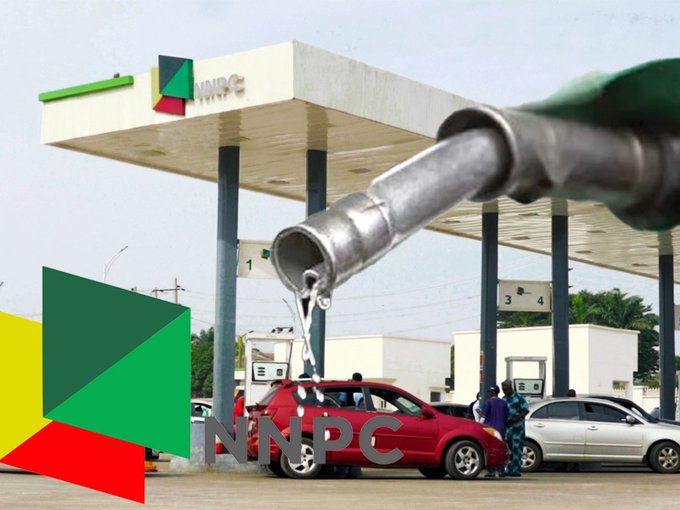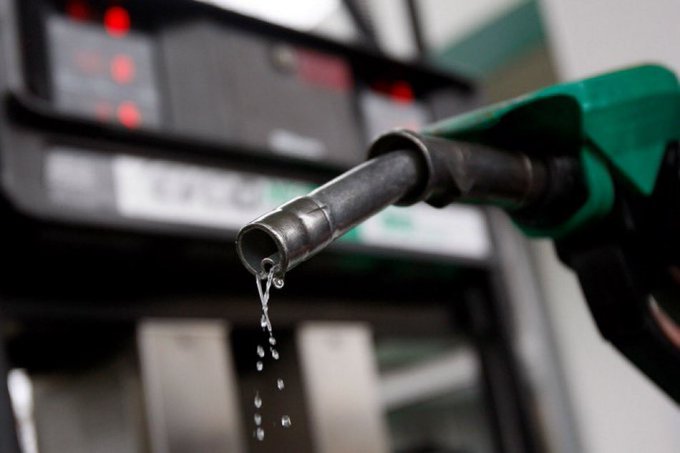
ABUJA — Nigeria’s retail fuel prices have experienced an unprecedented rise, reaching a minimum of ₦1,340 per litre as of June 2, 2026. This represents a staggering 463% increase from the ₦238 per litre rate recorded just three years ago, before the inauguration of President Bola Tinubu’s administration.
The Impact of Economic Reforms
The sharp escalation in fuel costs is primarily attributed to the "twin policies" introduced at the start of the current administration: the removal of the decades-old fuel subsidy in May 2023 and the subsequent liberalization of the Naira exchange rate.
These measures, intended to stabilize the macroeconomy, have instead triggered significant socio-economic challenges:
Cost of Living Crisis: The price surge has cascaded across the economy, leading to astronomical hikes in the cost of food, rent, and transportation.
Inflationary Pressure: Headline and food inflation figures have climbed significantly, reaching 15.69% and 16.09% respectively by April 2026, further eroding the purchasing power of the average citizen.
Economic Sentiment: Industry experts, such as Okechukwu Unegbu, former President of the Chartered Institute of Bankers of Nigeria (CIBN), have voiced strong criticism. Unegbu rated the administration's economic performance at a mere 20%, noting that the country's reported Gross Domestic Product (GDP) growth of 3.89% has failed to translate into tangible relief for Nigerians in the marketplace.
Market Drivers
The volatility in the downstream sector has been exacerbated by frequent price adjustments by major suppliers, including the Dangote Petroleum Refinery, which has cited global crude market volatility, foreign exchange pressures, and replacement costs as primary drivers for the rapid price recalibrations seen throughout 2026.