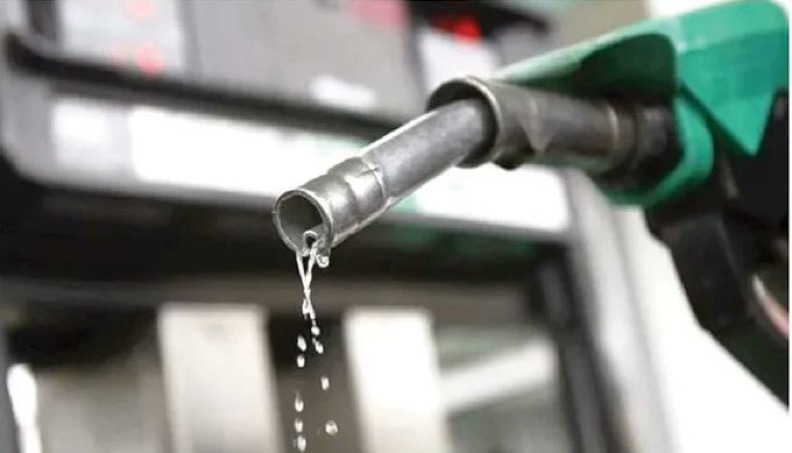
Petrol prices have climbed to N1,430 per litre at some filling stations in Abuja following Dangote Refinery’s latest N85 increase in its petrol gantry price, adding fresh pressure on motorists, transport operators and households.
The price of Premium Motor Spirit (PMS), popularly known as petrol, has risen to N1,430 per litre at some filling stations in Abuja, following another increase in the wholesale price of petrol by Dangote Petroleum Refinery.
The latest pump-price adjustment comes less than 24 hours after Dangote Refinery increased its petrol gantry price from N1,265 to N1,350 per litre, effective September 12, 2026.
Checks across the Federal Capital Territory showed that filling stations have responded differently to the higher wholesale price. NIPCO outlets were selling petrol at N1,430 per litre, while Mobil outlets had moved to N1,400 and MRS stations to N1,395 per litre.
Other stations in parts of Abuja were reportedly selling between N1,414 and N1,450 per litre, showing that prices are already varying significantly depending on the location and the filling station.
The latest increase is raising concerns that petrol could approach or cross N1,500 per litre in Abuja and other major Nigerian cities if international crude prices remain elevated and transportation and distribution costs continue to rise.
Dangote Refinery Raises Petrol Gantry Price Again
Dangote Petroleum Refinery announced an N85 per litre increase in its petrol gantry price, moving the rate from N1,265 to N1,350.
The new price took effect on Saturday, September 12.
The adjustment represents an increase of about 6.7 per cent and marks the fourth upward revision of Dangote Refinery's petrol gantry price since August 21.
The refinery had previously raised its price from N1,165 to N1,185 per litre on August 21. It then increased the rate to N1,200 on August 26 and N1,265 on August 29.
With the latest increase to N1,350, the refinery's gantry price has risen by N185 per litre, or about 15.9 per cent, in 22 days.
The refinery also increased its coastal delivery price from N1,669,545 to N1,783,530 per metric tonne.
Customers with existing loading arrangements were directed to return their Authority to Collect documents for repricing before loading could resume, according to the pricing circular issued by the refinery's Group Commercial Operations division.
The increase at the refinery level has quickly filtered into the retail market because marketers have to account for the higher replacement cost when purchasing new supplies.
NIPCO, MRS and Mobil Adjust Pump Prices
The latest checks in Abuja show that there is no single pump price across the FCT.
At NIPCO stations, petrol was selling for N1,430 per litre, up from N1,350.
MRS stations increased their price to N1,395 per litre, while Mobil outlets moved to N1,400 per litre.
The variation is partly linked to differences in supply costs, existing stock, transportation expenses and individual marketers' pricing decisions.
A petrol attendant at an MRS station in Abuja told The Sun that the station was still selling existing stock at N1,395 but expected the price to rise once the next supply arrived.
That suggests that the full impact of the latest wholesale increase may not yet have been reflected at every filling station.
Motorists who purchased petrol at some stations on Saturday could therefore face another price adjustment as retailers exhaust older stocks bought at lower prices.
Petrol Already Selling Above N1,400 in Several Parts of Abuja
The N1,430 price recorded at NIPCO is not the highest price reported across the capital.
Separate checks found petrol selling between N1,414 and N1,450 per litre in parts of Abuja.
In Lokogoma, the reported price was N1,414 per litre, while prices of N1,430 and N1,450 were reported in Gwarinpa and Dawaki respectively.
Nairametrics also reported that petrol prices in Abuja were ranging from N1,400 to N1,450 per litre as of Sunday.
The difference between stations means motorists may increasingly have to compare prices before buying, particularly as the cost of filling a vehicle's tank becomes more expensive.
For example, a motorist buying 40 litres at N1,430 would spend N57,200.
At N1,450 per litre, the same 40 litres would cost N58,000.
For commercial drivers and businesses that consume much larger quantities of petrol, the financial impact is considerably greater.
Why Are Petrol Prices Rising?
The latest increase is occurring against the backdrop of elevated international crude oil prices.
Brent crude, the international benchmark relevant to Nigeria's oil industry, has been trading above $100 per barrel, with reports putting recent prices around $107 to $108 per barrel.
The rise in crude prices has been linked to heightened geopolitical tensions in the Middle East and disruptions affecting oil flows through the Strait of Hormuz.
The strategic waterway is important to global energy markets because a substantial volume of crude oil and petroleum products passes through it.
When disruptions or security concerns affect shipping through the area, traders factor the possibility of tighter global supplies into oil prices.
That can eventually affect the cost of refined petroleum products, including petrol.
For Nigerian consumers, the situation is particularly important because although Nigeria produces crude oil, domestic petrol prices are still influenced by international crude prices, exchange rates, refining economics and distribution costs.
Abuja Faces Additional Transportation Costs
The impact on Abuja is also influenced by the city's distance from major coastal petroleum supply centres.
Unlike Lagos, Port Harcourt and Warri, Abuja is an inland market.
Petroleum products supplied to filling stations in the Federal Capital Territory generally have to travel significant distances by road after leaving coastal or refinery-linked supply points.
Those transportation and logistics costs become part of the final pump price.
The Sun reported that the impact of higher petroleum costs could be more pronounced in Abuja and northern cities because of their distance from coastal supply centres and their reliance on trucking for distribution.
This helps explain why petrol prices can differ considerably between cities even when marketers are purchasing products from the same broad supply chain.
Kano, Kaduna, Jos and other northern markets could face additional pressure if the higher refinery price persists and transportation costs continue increasing.
Marketers Warn of More Price Uncertainty
The latest adjustment has also created uncertainty for fuel marketers.
Independent Petroleum Marketers Association of Nigeria National Publicity Secretary Chinedu Ukadike said successive adjustments were making it difficult for marketers and consumers to predict prices because replacement costs could change rapidly.
For marketers, selling existing stock at an old price becomes more difficult when the cost of replacing that stock has increased.
A station that sells petrol purchased at N1,350 per litre must consider what it will cost to replace that volume after the wholesale price has risen to N1,350 before additional logistics, operating expenses and margins are included.
This is one reason why pump prices do not always increase by exactly the same amount as a refinery's gantry price.
Petrol Could Reach N1,500
The latest developments have raised expectations that petrol could soon reach N1,500 per litre in some parts of Nigeria.
An industry expert, Olatide Jeremiah, chief executive officer of Petroleumprice.ng, said the recent price movement reflected international oil-market conditions and warned that pump prices could rise further if the Middle East crisis persists.
The expert's assessment comes as crude prices remain above the levels seen before the recent escalation in geopolitical tensions.
If crude remains above $100 per barrel for an extended period, refineries and petroleum marketers will continue to face higher replacement costs.
The situation could become even more challenging if shipping and freight rates rise at the same time.
For Abuja consumers, this combination could put additional pressure on an already expensive transportation system.
Impact on Transportation
Fuel-price increases typically have effects beyond the filling station.
Commercial transport operators spend a substantial portion of their operating costs on fuel.
When petrol becomes more expensive, drivers may seek higher fares to cover the additional cost of operating vehicles.
The effects can extend to ride-hailing services, intercity transportation, logistics companies and businesses that depend on petrol-powered generators.
In Abuja, where many commuters depend on cars, buses, taxis and ride-hailing services, higher fuel prices could therefore translate into higher daily transportation expenses.
The effect may also vary depending on whether operators use petrol, diesel, compressed natural gas or other energy sources.
Businesses Could Face Higher Operating Costs
Higher petrol prices can also affect businesses that do not directly sell fuel.
Small businesses that rely on petrol generators may face higher electricity-generation costs.
Delivery companies may pay more to move goods.
Retailers could face higher transportation expenses when moving products from wholesalers to shops.
Food prices can also be affected because farmers, distributors and retailers depend on transportation at different stages of the supply chain.
An economist and development expert, Aliyu Ilias, warned that higher petrol prices could worsen inflation by increasing transportation and production costs.
The concern is particularly significant because fuel is not simply another household expense.
It is an input into a wide range of economic activities.
The Increase Comes Despite Nigeria's Growing Refining Capacity
The latest price increase also highlights a complicated aspect of Nigeria's downstream petroleum market.
The country has invested heavily in expanding domestic refining capacity, particularly through the Dangote Refinery.
One of the major expectations surrounding increased domestic refining is that local production could reduce Nigeria's exposure to imported refined products and make fuel supply more stable.
However, domestic refining does not automatically isolate Nigerian petrol prices from international oil prices.
The price of crude oil remains an important input for a refinery, while exchange rates, operating expenses, transportation, distribution and market conditions also affect the final price.
Dangote Refinery's latest adjustment demonstrates how changes in international crude markets can still influence the domestic price of refined petrol.
Consumers Face Another Cost-of-Living Challenge
For households already dealing with high prices for food, transportation and other necessities, another increase in petrol prices represents additional financial pressure.
A driver who previously budgeted a fixed amount for weekly fuel may now need significantly more money to cover the same distance.
Families using vehicles for work, school runs and other activities may have to adjust their budgets.
Businesses could also pass some of their higher transportation and operating costs to customers through higher prices.
The wider concern is therefore not only the price displayed at filling stations but how long the increase lasts and how far it spreads through the economy.
What Happens Next?
The immediate direction of petrol prices will depend largely on crude oil prices, petroleum product replacement costs, supply conditions and logistics.
If international oil prices decline substantially, pressure on domestic petrol prices could ease.
However, if crude prices remain elevated and transportation costs continue rising, marketers may continue adjusting pump prices upward.
For Abuja, the current range of roughly N1,400 to N1,450 per litre means N1,500 is no longer a distant possibility.
The latest N1,430 price at NIPCO stations is therefore another sign of how quickly changes at the refinery level can reach Nigerian consumers.
For now, motorists across the Federal Capital Territory are facing a new reality in which petrol prices vary sharply between locations, while the possibility of further increases remains.
The latest development also places renewed attention on the broader question of how Nigeria can shield consumers from international oil-price shocks while maintaining a petroleum market in which refiners and marketers can operate sustainably.
With Dangote Refinery's gantry price now at N1,350 per litre and some Abuja filling stations already selling above N1,400, the next few weeks will be closely watched by motorists, transport operators, businesses and households across the country.