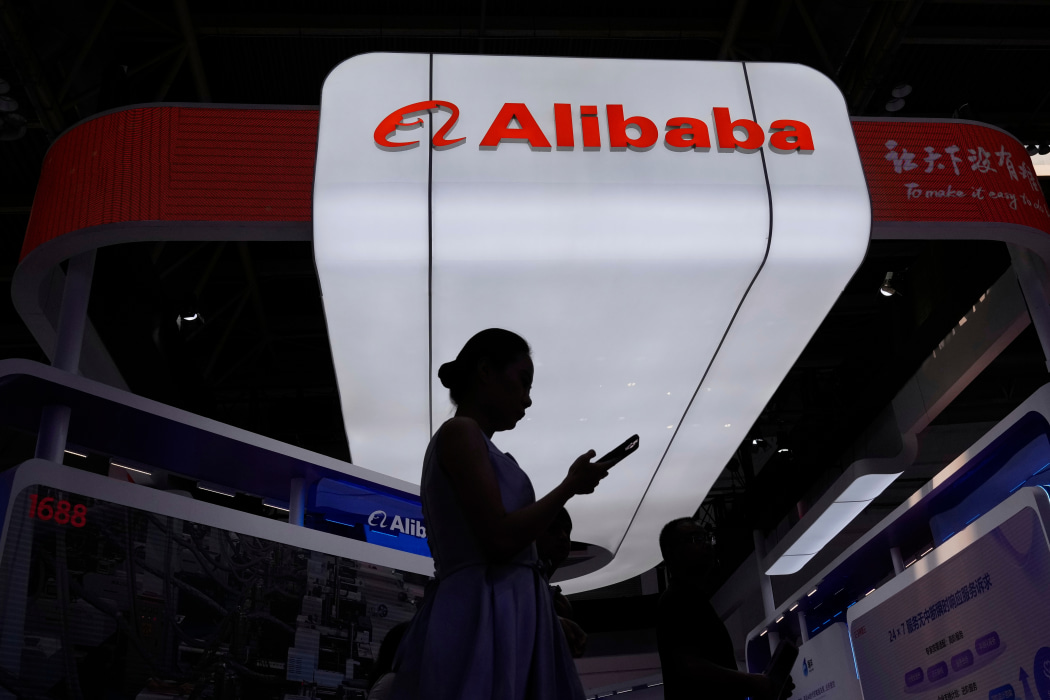
WASHINGTON — In a significant escalation of tech and trade tensions, the U.S. Department of Defense officially expanded its list of "Chinese military companies" on Monday, June 8, 2026. The updated roster, published via a Federal Register notice, now includes prominent Chinese corporate giants such as Alibaba Group, Baidu, and BYD.
The Updated Blacklist
The Pentagon's list, mandated by Section 1260H of the National Defense Authorization Act (NDAA) for fiscal 2021, identifies entities that the U.S. government believes are contributing to China’s "military-civil fusion" strategy a policy that mandates private-sector collaboration with the People’s Liberation Army (PLA).
With this latest update, the list has grown to include 188 entities. Notable new additions alongside Alibaba, Baidu, and BYD include:
• WuXi AppTec (biotechnology)
• NIO, Inc. (electric vehicles)
• TP-Link (networking equipment)
• Unitree Robotics (robotics)
• RoboSense Technology (lidar technology)
Government and Industry Responses
-
U.S. Position: Republican lawmaker John Moolenaar, chair of the House Select Committee on the Chinese Communist Party, described the list as a "warning" to American businesses. He urged for the immediate delisting of these companies from U.S. stock exchanges and the removal of their products from domestic supply chains, arguing that engagement with these firms threatens U.S. national security.
-
Chinese Embassy: The Chinese Embassy in Washington condemned the designation as "discriminatory," arguing that the U.S. is "overstretching the concept of national security" and creating unfair conditions for Chinese businesses that otherwise observe international laws.
-
Corporate Denials: Alibaba, Baidu, and BYD have all rejected the designations. Alibaba stated there is "no basis" for its inclusion, emphasizing it is not a military company. Baidu called the suggestion "entirely baseless," and BYD indicated it would "actively safeguard its legitimate rights and interests."
Implications of the Designation
Inclusion on the 1260H list does not constitute an immediate blanket sanction; however, it carries significant operational and reputational weight:
-
Procurement Restrictions: Starting later this month, the U.S. Department of Defense is prohibited from entering into or renewing contracts for goods or services with listed entities.
-
Business Risk: The designation serves as a strong signal to U.S. companies and investors, often functioning as a precursor to more severe restrictions, such as export controls or investment bans.
-
Supply Chain Scrutiny: The move pressures U.S. firms to re-evaluate their reliance on Chinese tech giants for components, software, and services, particularly in sensitive sectors like AI, electric vehicles, and biotechnology.
This expansion comes despite recent efforts to improve diplomatic communication, including President Donald Trump's meeting with Chinese leader Xi Jinping in Beijing last month, which was initially viewed as an attempt to stabilize the volatile economic and geopolitical relationship between the two nations.