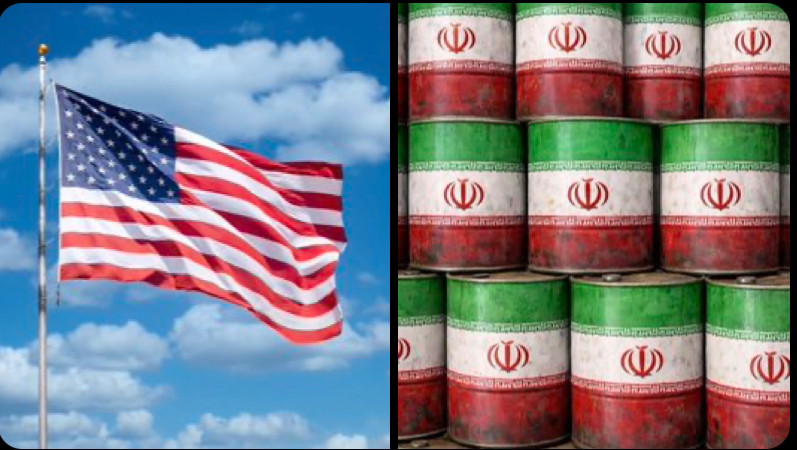
WASHINGTON — In a significant diplomatic pivot, the United States Treasury Department announced on Monday,June 22, 2026, the issuance of a 60-day general license authorizing the production, delivery, and sale of Iranian crude oil and petroleum products. The move is a central component of an interim agreement aimed at securing a final peace deal between Washington and Tehran, following the conclusion of military operations that began in February 2026.
Easing Sanctions Under New Framework
The general license, which remains in effect through August 21, permits transactions involving Iranian oil, including associated services such as banking, insurance, and maritime transportation. By allowing payments to be processed in U.S. dollar-denominated funds, the waiver significantly alters the sanctions landscape that has largely restricted Iranian energy exports since 2018.
This development follows the signing of a memorandum of understanding (MOU) between the U.S. and Iran last week.The MOU outlines a 60-day timeline for reaching a comprehensive settlement regarding Iran’s nuclear program, the security of the Strait of Hormuz, and a permanent end to the conflict that had dominated regional dynamics earlier this year.
Read Also: U.S. and Iran Formalize Memorandum of Understanding to End Conflict
Diplomatic Progress in Switzerland
The announcement coincided with high-level negotiations held in Switzerland, involving senior U.S. officials and Iranian representatives. Mediators from Qatar and Pakistan confirmed that both nations have agreed to a roadmap aimed at finalizing a permanent peace deal within the 60-day window.
Key conditions for the current interim phase include:
• Nuclear Transparency: Iran has committed to permitting International Atomic Energy Agency (IAEA) inspectors full access to their facilities.
• Maritime Security: Tehran has pledged to ensure free and open transit through the Strait of Hormuz.
• De-confliction Mechanisms: The parties have agreed to establish a communication line and a “de-confliction cell” alongside the Lebanese government to ensure the continued termination of military operations in the region.
Context of the Regional Crisis
The authorization marks a stark departure from the intense period of conflict earlier in 2026. The U.S. military buildup and joint operations with Israel, which began on February 28, 2026, had triggered significant global market volatility and supply chain disruptions, particularly in the energy sector. With a tenuous ceasefire in place since April and the subsequent MOU signed on June 17, the current negotiations represent an attempt to institutionalize regional stability.
While the license provides a major opening for Iranian energy, international buyers are expected to exercise caution. The temporary nature of the 60-day waiver and the possibility of a "snapback" of sanctions should negotiations falter mean that market participants will continue to monitor the progress of the technical talks in Switzerland closely.