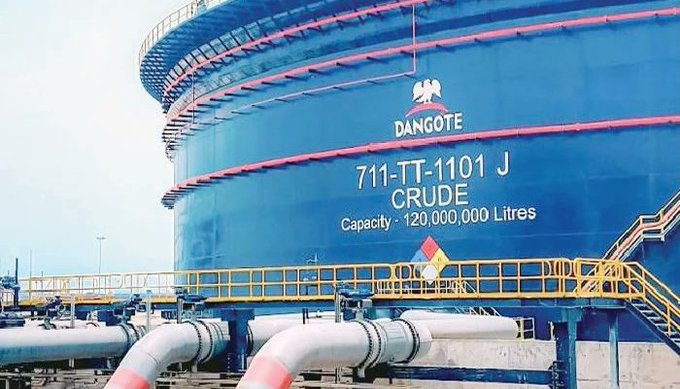
LAGOS, Nigeria — The Dangote Petroleum Refinery has officially transitioned its commercial sales model from the Nigerian Naira to the United States Dollar. Effective July 13, 2026, the refinery has issued a new pricing template, effectively ending the naira-based payment window that had been a cornerstone of the federal government’s "naira-for-crude" initiative since late 2024.
This strategic shift, according to industry analysts, is a direct response to persistent foreign exchange volatility and a structural imbalance in the refinery’s procurement-to-sales pipeline. As Nigeria’s largest supplier of refined petroleum products, Dangote Refinery’s decision to adopt dollar-denominated transactions is expected to ripple through the entire energy value chain, influencing everything from wholesale logistics to the eventual retail prices paid by Nigerian motorists at the pump.
The New Pricing Template
The refinery’s Group Commercial Operations issued a formal notice to all petroleum marketers and customers, declaring that all previous naira-denominated Proforma Invoices (PFIs) and Deal Recaps were immediately invalid. The new price benchmark, denominated in USD, is as follows:
• Premium Motor Spirit (Petrol): $0.779 per litre
• Automotive Gas Oil (Diesel): $1.087 per litre
• Aviation Turbine Kerosene: $0.942 per litre
• Coastal PMS Supplies: $1,044.62 per metric tonne
The refinery clarified that while this shift applies to its core liquid fuel portfolio, Liquefied Petroleum Gas (LPG) transactions remain unaffected by this transition, continuing to operate under their existing arrangements.
The Rationale: Correcting a Currency Mismatch
The decision to migrate product sales to dollars was driven by the widening gap between the currency used to procure crude oil and the currency in which refined products were sold. For months, the refinery has faced a "currency mismatch."
According to insiders, while the refinery initially enjoyed a period where significant volumes of crude were supplied by the Nigerian National Petroleum Company Limited (NNPCL) in naira, this arrangement has faced increasing strain. Currently, the refinery receives a significantly higher volume of dollar-denominated crude oil cargoes compared to those priced in naira.
"The resulting currency mismatch, combined with volatility in international crude oil prices and continued exchange-rate uncertainty, made it necessary to migrate product sales to dollars," one source close to the development explained. By aligning the currency of its revenue with the currency of its feedstock procurement, the refinery is effectively insulating itself from the foreign exchange risks that have plagued Nigerian businesses for years.
Implications for the Domestic Downstream Sector
This transition marks a departure from the spirit of the federal government’s "naira-for-crude" policy, which was launched to reduce the burden on Nigeria’s foreign exchange reserves and stabilize domestic fuel costs. While the policy was hailed as a panacea for inflation in the energy sector, its implementation has faced operational hurdles.
For petroleum marketers, the shift introduces a new layer of complexity. Marketers who source products directly from the Dangote gantry will now need to manage dollar liquidity to facilitate their purchases. While the refinery’s new pricing is fixed in dollars, the final pump price for the average Nigerian will remain a function of the prevailing naira-to-dollar exchange rate, along with added costs such as transportation margins, logistics, regulatory charges, and individual marketers’ operating expenses.
Essentially, while the refinery has achieved "currency parity" for its own operations, the domestic consumer remains tethered to the volatility of the foreign exchange market. If the naira continues to fluctuate against the dollar, retail pump prices will likely see frequent adjustments to reflect these movements.
The Future of the "Naira-for-Crude" Policy
The latest development raises fresh questions regarding the sustainability of the government’s flagship energy policy. When the federal government launched the domestic crude supply initiative, the intent was to anchor the domestic economy in local currency. However, the reality of global oil pricing—which is universally pegged to the dollar—has made the total "naira-ization" of the refining sector difficult to maintain.
As Dangote Refinery grows its influence as the nation’s dominant supplier, its pricing decisions serve as a de facto benchmark for the entire industry. Industry stakeholders are now closely watching how the federal government and NNPCL will respond to this migration. Will there be a renewed push to supply crude in naira, or is this dollar-denominated model the new reality of a deregulated, market-driven petroleum sector?
Looking Ahead: Market Dynamics
For the average Nigerian, the shift might seem like an internal commercial matter, but its impact is profound. By moving to dollar pricing, the refinery has prioritized commercial viability and risk management over domestic currency insulation. While this move safeguards the refinery’s ability to continue operations without the threat of catastrophic foreign exchange losses, it also means that the "naira price" of fuel will no longer be artificially stable if the exchange rate trends upward.
Petroleum marketers are expected to begin adjusting their logistics and capital allocation strategies to ensure they have the necessary dollar backing to maintain supply. Meanwhile, regulatory agencies, including the Nigerian Midstream and Downstream Petroleum Regulatory Authority (NMDPRA), are expected to monitor the market to ensure that the transition to dollar pricing does not lead to price gouging or artificial scarcity.
As Nigeria continues to navigate the transition away from a state-subsidized model toward a fully deregulated market, the move by Dangote Refinery is perhaps the most significant indicator yet that the sector is shifting toward global commercial standards. Whether this leads to long-term stability or increased inflationary pressure remains the central debate among economic observers and energy experts. For now, the benchmark is set: the global price of oil has found its way to the Dangote gantry, and the Nigerian downstream sector will have to adapt accordingly.
How do you assess the balance between the Dangote Refinery’s need for commercial sustainability and the government's objective to keep fuel costs affordable for Nigerian citizens?
Share your thoughts in comments