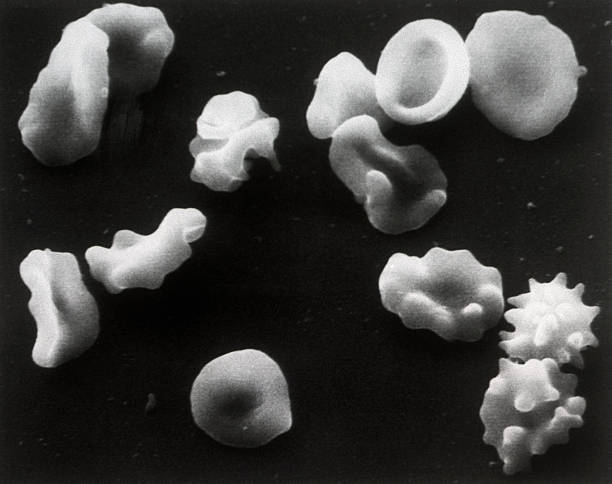
LAGOS — As the world commemorated World Sickle Cell Day in June 2026, a poignant and powerful call to action resonated across Nigeria. Kesiena Ikeke, a Nigerian-born advocate and sickle cell warrior, released a personal essay titled, ‘Blood, Pain, and Belonging: Why It’s Time to Stop Punishing Sickle Cell Warriors.’ Her words serve not merely as a recount of personal trauma but as a clarion call for the Federal Government of Nigeria to fundamentally overhaul how it views, manages, and supports those living with this genetic blood disorder.
The Intersection of Chronic Pain and Societal Stigma
For millions of Nigerians, sickle cell disease is far more than a physiological struggle; it is a battle fought on two fronts. The first is the visceral, debilitating physical agony of vaso-occlusive crises—episodes that have been described by warriors as "walking through fire." The second front is the societal landscape, which in many parts of West Africa remains clouded by profound misunderstanding.
Ikeke’s essay shines a light on a dark reality: the pathologization of the condition through the lens of superstition. "In many parts of West Africa, the lack of medical education has turned a genetic blood disorder into what many wrongly see as a spiritual curse," Ikeke writes. Growing up, she was not just viewed as a patient in need of care; she became a target for societal scorn. She recounts the trauma of being labeled "evil," a "financial burden," and having her life expectancy dismissed by neighbors and even family members who suggested she was "possessed." For many warriors, these emotional scars inflicted by a stigma-laden culture cut deeper and persist longer than the physical pain of a crisis.
The Disparity in Care: A Call for Institutional Reform
Having relocated to the United Kingdom, Ikeke provides a comparative perspective that underscores the systemic failures in Nigeria’s current healthcare framework. In the UK, sickle cell is treated as a medical reality that necessitates structured management, dignity, and specialized care. In contrast, in Nigeria—a nation that bears the highest burden of sickle cell disease globally—the absence of adequate public medical infrastructure leaves families to shoulder the full, often impossible, weight of medical bills.
The Federal Government’s current "Renewed Hope Agenda" has expressed commitment to narrowing this survival gap. The Coordinating Minister of Health and Social Welfare, Professor Muhammad Ali Pate, has recently announced the expansion of sickle cell services into Primary Healthcare platforms and the integration of essential diagnostics into national health insurance benefit packages. Furthermore, the establishment of six "Centres of Excellence for Sickle Cell Disease"—one for each geopolitical zone—aims to provide critical resources like High-Performance Liquid Chromatography (HPLC) machines for accurate diagnosis and newborn screening.
Despite these high-level policy intentions, Ikeke and other advocates argue that the implementation must be faster, more affordable, and reach the most vulnerable. Her recommendations for the government are precise:
-
Subsidized Care: Making essential supplies, such as folic acid, hydroxyurea therapy, and regular, safe blood transfusions, genuinely accessible and affordable.
-
Infrastructure Investment: Beyond the Centres of Excellence, the standard of public medical facilities at the local government level must be drastically improved to manage complications effectively.
-
Holistic Support: The disease requires more than just clinical intervention; it demands psychological and social support systems to combat the isolation and emotional distress identified in biopsychosocial analyses of the condition.
The Power of Prevention: Genotype Awareness
Central to Ikeke’s advocacy is the firm belief that while we must fight for better care for warriors, we must also drastically improve our preventive strategies. Her message to intending couples is unyielding: "Love is never enough. If you have the sickle cell trait or are a patient, you must prioritize knowing your genotype before choosing a partner."
Advocacy groups across the country, including the Medical Women’s Association of Nigeria and various civil society coalitions, have joined this chorus, calling for mandatory pre-marital genotype screening and universal newborn testing. The current reliance on hospital-based data, rather than population-based data, hampers the effectiveness of national prevention efforts. As medical experts emphasize, the best way to control the disease remains prevention, yet this goal can only be reached if genetic counseling and testing become a routine, stigma-free component of the Nigerian healthcare experience.
A Message to Fellow Warriors: "Selfish Discipline"
While she demands systemic change, Ikeke also emphasizes the agency of the individual. She urges fellow warriors to practice "selfish discipline"—a term she uses to describe the uncompromising commitment to personal health, which includes constant hydration, adequate nutrition, and knowing one's physical limits.
"Sickle cell is a blood disease, not a character flaw," she asserts. For warriors, this discipline is not about perfection; it is about survival. It involves navigating the difficult terrain of employment and education, where many patients report being penalized or even dismissed for health-related absences. By demanding better from the world while simultaneously fostering the internal strength to care for themselves, sickle cell warriors are redefining what it means to live with a chronic illness.
The struggle for dignity, proper healthcare, and an end to the stigmatization of sickle cell disease is far from over. However, as advocates like Kesiena Ikeke continue to amplify the voices of the millions fighting this battle, the pressure on government, private corporations, and traditional institutions to build a "nation of care" is intensifying. The transition from awareness to action is the defining challenge of the coming years—a challenge that, if met with compassion and sustained investment, can transform the lives of countless Nigerians for generations to come.