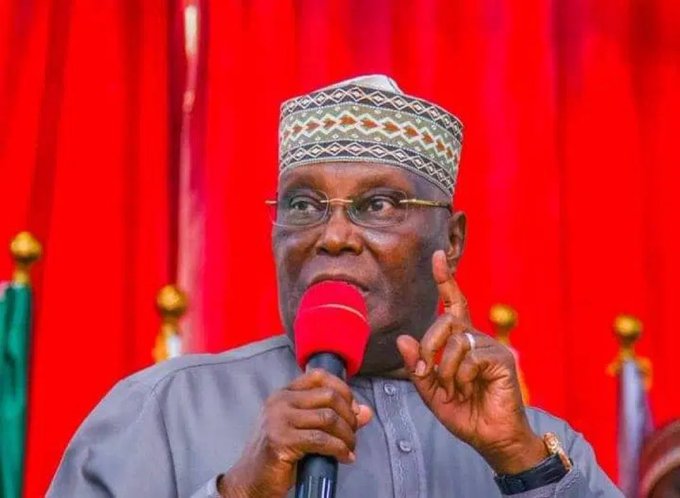
ABUJA — Vice President Kashim Shettima has stated that Nigeria is fully on track to surpass the United States as the third most populous country in the world by the year 2050.
Speaking at the Presidential Villa in Abuja, Shettima emphasized that the country’s massive, youthful population represents a critical economic opportunity that can be successfully harnessed through targeted state policies.
The Vice President shared these projections during a high-profile meeting with a visiting delegation from the International Labour Organization (ILO), led by its Director-General, Gilbert Houngbo. The discussions focused heavily on structural labor development, job creation, and strategic human capital investment.
"One in four black men is a Nigerian, and by 2050, we will surpass the United States to become the third most populous nation on earth," Shettima stated during the session. "The average age in Nigeria is 16.9 years. We have a demographic bulge, but with the right policies, we can turn it into a demographic dividend rather than a demographic disaster."
Transforming the Youth Bulge into an Asset
With the global economy leaning heavily into digital spaces, the Vice President expressed strong confidence in the capacity of Nigeria's younger generation to adapt to changing workplace requirements. He noted that while traditional corporate roles might face displacement, emerging sectors will open up alternative paths for technologically literate citizens.
Beyond long-term population trends, the meeting addressed immediate industrial relations within the country. Shettima reiterated that President Bola Tinubu’s administration remains highly receptive to maintaining an open, continuous dialogue with organized labor unions to foster a functional and productive working environment.
To illustrate the federal government's ongoing commitments, the Vice President pointed to recent national minimum wage reforms. He commended the leadership of the Nigeria Labour Congress (NLC) for their ongoing cooperation, highlighting that multiple states across the federation have already successfully implemented the new wage structures, with several local governments opting to exceed the baseline ₦70,000 national benchmark.
Reviving National Frameworks for Social Dialogue
The visiting ILO Director-General, Gilbert Houngbo, expressed his gratitude to the Nigerian government for its historical institutional support. Houngbo specifically acknowledged Nigeria’s influential diplomatic role in mobilizing African member states during his leadership election.
Looking at current labor administration, the ILO chief urged the federal government to accelerate its ongoing labor code reforms. He specifically requested the administration's support in reviving the National Labour Advisory Council (NLAC), which serves as a vital tripartite forum for structured social dialogue between government representatives, employers, and organized labor unions.
"We believe that given the dynamism of Nigeria’s labour market, its population, ambition, and role in Africa, reviving the NLAC will be highly beneficial," Houngbo noted, stressing that structured stakeholder conversations are crucial for maintaining industrial harmony.
The meeting was attended by several senior administration officials, including the Minister of Labour and Employment, Muhammad Dingyadi; the Minister of State for Labour, Nkiruka Onyejeocha; NLC President, Joe Ajaero; and senior executives from the Trade Union Congress (TUC).
The federal government plans to leverage a rapid demographic expansion to drive sustainable economic growth.