NEW YORK — U.S. stock markets experienced a dramatic turnaround on Thursday, June 11, 2026, recording their most robust single-day performance in two months. The rally, which saw major indices post gains across the board, was primarily catalyzed by a significant cooling of geopolitical tensions in the Middle East. President Donald Trump’s announcement that he had canceled a planned round of military strikes against Iran, citing progress in high-level diplomatic discussions, provided the stability investors had been desperately seeking after a week of extreme volatility.
A Reversal of Fortune
Investor sentiment had been severely tested throughout the preceding week as military clashes in the Strait of Hormuz raised the specter of a full-scale conflict. The prospect of such a war threatened to cripple the global supply of crude oil, an outcome that would have undoubtedly accelerated international inflation and stalled the momentum of the domestic economic recovery.
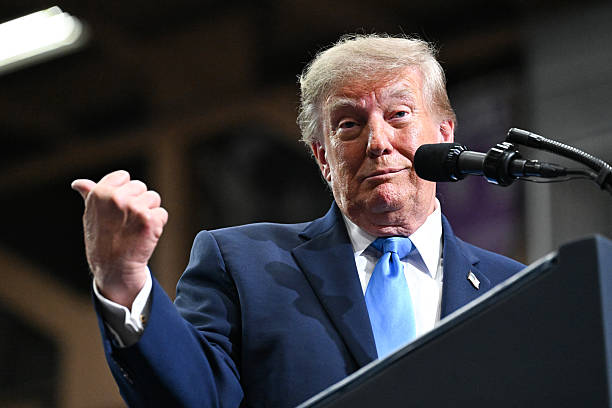
The mood shifted decisively on Thursday afternoon when President Trump utilized his social media platform to convey that "discussions with the Islamic Republic of Iran have been brought to the highest level of Iranian leadership." This update—coupled with the reported approval for a future signing ceremony—served as an immediate circuit breaker for the market’s anxiety. The reaction in the energy markets was instantaneous: benchmark Nymex WTI crude oil futures, which had been testing levels above $90 per barrel, retreated to $86.72, signaling a massive reduction in the "war premium" that had been baked into energy prices.
Broad-Based Gains Across Indices
The de-escalation of war rhetoric acted as a powerful tailwind for equity markets, which had been reeling from concerns over interest rates and corporate earnings forecasts. The rally was characterized by broad participation across all major benchmarks:
-
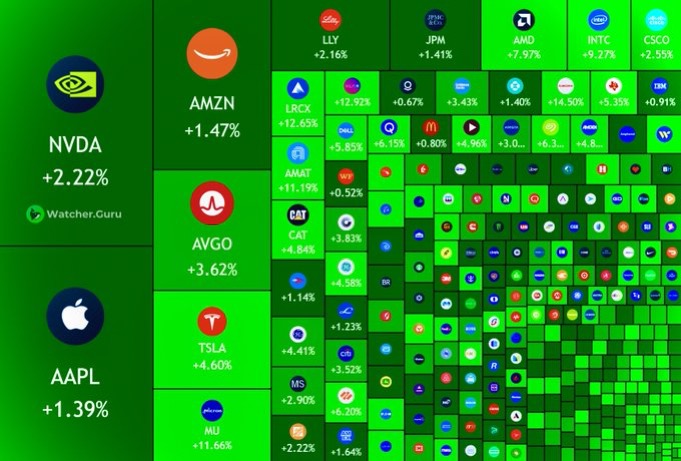
S&P 500: Jumped 1.8%, closing the session at 7,394.30.
-
Dow Jones Industrial Average: Surged 929.97 points (1.9%), ending the day at 50,848.75.
-
Nasdaq Composite: Climbed 2.5% to finish at 25,809.66.
-
Russell 2000: Representing smaller capitalization companies, this index saw a market-leading gain of 3%, reflecting renewed optimism among firms most sensitive to interest rates and domestic borrowing costs.
The recovery was significantly bolstered by a resurgence in the technology and semiconductor sectors. These industries, which had seen "careening" price moves throughout the week—driven by massive swings in sentiment surrounding artificial intelligence (AI) investments—found their footing as bond yields eased. With the 10-year Treasury yield dropping to 4.45% from 4.55%, the cost of capital effectively declined, providing a favorable backdrop for growth-oriented stocks.
The Macroeconomic Implications
While the immediate rally was driven by the news of a potential diplomatic resolution, the underlying economic narrative remains complex. Thursday’s data confirmed that wholesale-level prices in the United States had risen more than economists expected in May, keeping the Federal Reserve’s future policy path at the center of market discussions. However, investors appeared willing to look past these inflation concerns, betting that a sustained drop in oil prices could remove the primary upward pressure on consumer costs.
Market analysts, including those from Wedbush Securities, have highlighted that the volatility seen in the AI sector—which has been the primary driver of market directionality for months—remains a lingering variable.However, the events of June 11, 2026, demonstrated the market's enduring capacity to pivot toward optimism when provided with clear signals of geopolitical de-escalation. For now, the focus shifts toward the upcoming producer price index and weekly jobless claims, which investors hope will provide the final pieces of the puzzle regarding the true health and trajectory of the U.S. economy in the latter half of the year.