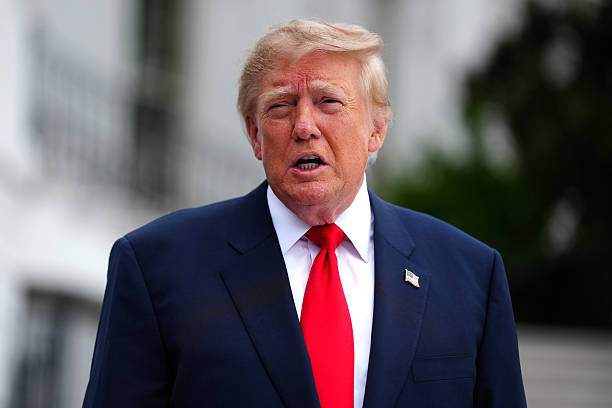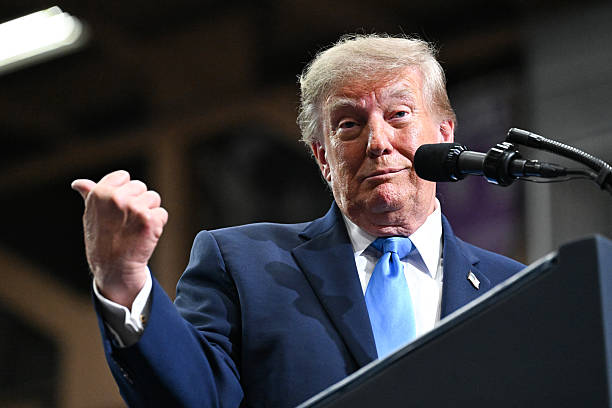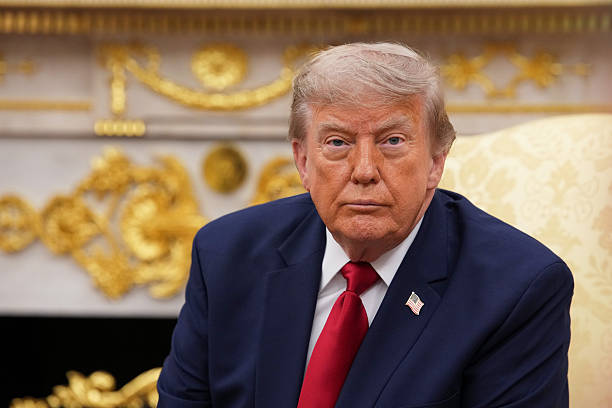
WASHINGTON — President Donald Trump has officially enacted a massive new wave of import duties on 60 major trading partners, effectively solidifying a global baseline tariff regime just as temporary emergency levies expired at midnight on Friday.
The sweeping action, announced by the Office of the United States Trade Representative (USTR) and published in the Federal Register, imposes duties ranging between 10 percent and 12.5 percent on dozens of nations. The targeted economies collectively account for more than 99 percent of all physical goods imported into the United States.
The new measures take effect immediately at 12:01 a.m. Eastern Time, providing a seamless transition from the temporary 10 percent worldwide stopgap tariffs that expired after reaching their statutory 150-day limit. By pivoting to an alternative legal authority under Section 301 of the Trade Act of 1974, the White House has bypassed recent judicial limits to institutionalize a near-universal tariff floor across the American economy.
The Legal Shift: From Emergency Powers to Section 301 Enforcement
The implementation of these latest duties represents the newest chapter in a multi-stage legal and legislative strategy by the Trump administration to establish permanent protectionist barriers around domestic industries.
Last year, the White House invoked the International Emergency Economic Powers Act (IEEPA) of 1977 to impose double-digit tariffs on virtually every foreign market, arguing that structural trade deficits constituted a national emergency. However, following a decisive ruling by the U.S. Supreme Court in February 2026 that struck down the use of emergency powers for general tariff collection, federal agencies were ordered to cease collections and process significant tariff refunds to domestic importers.
In immediate response to the judicial setback, President Trump activated Section 122 of the Trade Act of 1974 to establish a blanket 10 percent tariff. Because Section 122 carries a strict 150-day statutory expiration limit without congressional reauthorization, senior economic advisers spent recent months establishing a more permanent statutory foundation.
The administration’s new trade structure relies on Section 301 of the 1974 Trade Act, a statute historically utilized to address unjustifiable or discriminatory foreign trade practices. Under the final determination published this week, Washington alleges that 60 trading partners have failed to enact or rigorously enforce mandatory import prohibitions against goods produced with forced labor, thereby creating an unfair cost advantage against American workers and compliant manufacturers.
"The United States has maintained a strict forced labor import ban for nearly a century and rigorously enforces it across every industrial sector," U.S. Trade Representative Jamieson Greer stated. "It is well past time for our international trading partners to adopt identical standards, eliminate human exploitation from global supply chains, and level the playing field for American labor."
Scope of Implementation, Carve-Outs, and Product Exemptions
The broad scope of the new policy impacts major economies across Europe, Asia, and the Americas. Under the published schedule, direct 10 percent tariffs apply to imports from prominent trade allies and manufacturing hubs, including Great Britain, Canada, Mexico, India, Indonesia, Pakistan, Bangladesh, and Sri Lanka.
For other key international trading partners—including the European Union, Japan, South Korea, Taiwan, and Switzerland—the administration assigned variable rates designed to ensure that total combined duty burdens reach a baseline floor between 10 percent and 12.5 percent when calculated alongside pre-existing Most-Favored-Nation (MFN) tariff schedules.
Despite the near-universal application of the measures, trade officials incorporated specific product carve-outs to prevent localized economic disruption and manage domestic price inflation. Unprocessed crude oil, natural gas, agricultural fertilizers, and selected essential foodstuffs are completely exempted from the new Section 301 duties. Furthermore, goods already subject to separate national security tariffs under Section 232 of the Trade Expansion Act of 1962—such as foreign steel, aluminum, copper, and finished automobiles—will not be hit with compounding double duties.
To accommodate maritime logistics and cargo already in transit when the regulation took effect, the Department of the Treasury confirmed that goods loaded on vessels prior to 12:01 a.m. on Friday will remain exempt from the new rates, provided they clear domestic customs ports before July 28.
Global Reactions and Transatlantic Friction
The rollout of the new trade levies triggered swift responses from key international allies, regional trade blocks, and foreign diplomacy ministries, many of whom voiced sharp disagreement with the legal rationale cited by the White House.
In Brussels, European Commission officials confirmed that the newly assigned tariff thresholds align with ongoing structural negotiations established during executive bilateral summits last year. While expressing disappointment over persistent trade barriers, European representatives noted that established dialogues continue regarding potential sector-specific exemptions for industrial goods. However, broader transatlantic tensions spiked after President Trump threatened secondary tariff investigations against the bloc following substantial regulatory fines levied by European authorities against American technology corporations.
Diplomatic representatives across the Asia-Pacific region offered more critical assessments. Japan's chief government spokesperson characterized the imposition of fresh tariffs as deeply regrettable, while Australia's Ministry of Trade described the 12.5 percent rate applied to its domestic exports as unjustified and inconsistent with existing bilateral free trade agreements.
In Beijing, a spokesperson for China's Ministry of Foreign Affairs reiterated firm opposition to unilateral trade actions, warning that persistent tariff escalation ultimately damages international supply stability and fails to resolve underlying trade imbalances. Administration officials noted separately that duty rates on Chinese imports will remain pegged near 20 percent under existing bilateral agreements reached late last year, maintaining separate first-term industrial tariffs without pushing rates higher.
Domestic Economic Analysis and Congressional Debate
The expansion of the tariff regime has intensified economic and political debate in Washington, particularly regarding consumer price pressures, corporate supply chain adjustments, and legal durability.
Domestic business coalitions and trade lawyers point out that because tariffs are paid at the border by U.S.-based importing entities rather than foreign governments, the persistent application of baseline duties risks feeding into finished consumer goods prices. Analysts from major financial institutions caution that while commodity exemptions offer short-term relief for energy and agriculture, manufacturing supply chains that rely heavily on intermediate foreign components face sustained cost increases.
Members of Congress remain sharply divided over the administration's reliance on Section 301. Congressional critics argue that framing a broad tariff floor around foreign labor enforcement represents a strained interpretation of trade statutes intended to circumvent judicial oversight. Representative Richard Neal, the ranking member on the House Committee on Ways and Means, publicly criticized the move, contending that using forced labor standards as a justification for universal levies undermines legitimate human rights enforcement mechanisms.
Conversely, trade policy specialists note that Section 301 carries significantly greater legal precedent than emergency executive statutes. Because federal courts have historically granted broad deference to executive determinations under trade enforcement laws, legal analysts anticipate that the newly enacted tariff wall will prove substantially more resilient against corporate litigation and judicial injunctions than previous policy iterations.
As global supply chains adjust to the updated regulatory framework, domestic importers, international logistics firms, and foreign trade ministries are turning their focus toward upcoming administrative review periods, where individual sector groups will lobby the White House for tailored product exemptions.