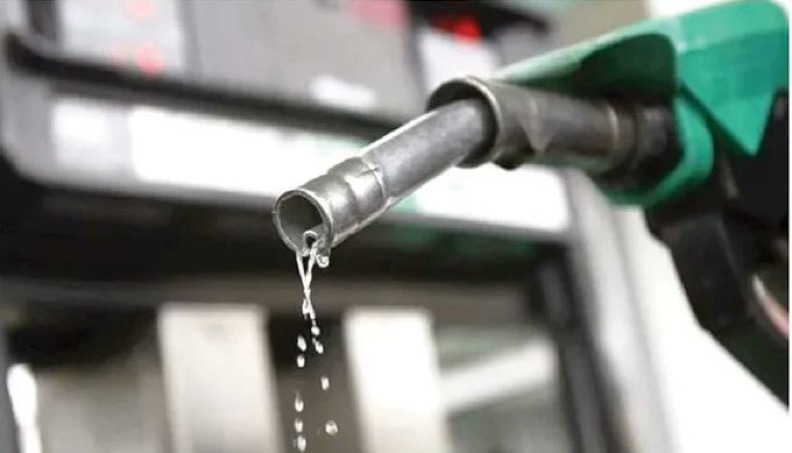
ABUJA — The landscape of Nigeria’s downstream petroleum sector is currently defined by a significant push for consumer-focused fairness. In response to recent shifts in the global crude oil market—specifically the easing of geopolitical tensions between the United States, Israel, and Iran—the Federal Government has intensified its call for domestic petroleum marketers to lower pump prices for Premium Motor Spirit (PMS).
Government Directive and the Push for Fair Pricing
In late June 2026, the Minister of State for Petroleum Resources (Oil), Senator Heineken Lokpobiri, issued a formal directive to petroleum marketers to reflect the downward trend in global crude prices by adjusting domestic pump prices. Speaking at the 2026 Nigerian Midstream and Downstream Petroleum Regulatory Authority (NMDPRA) General Counsel and Legal Advisers Forum in Abuja, the Minister emphasized that while Nigeria operates a deregulated regime where market forces dictate pricing, this policy must not be treated as a license for excessive profiteering.
The government’s intervention arises from a notable gap: although global Brent crude oil prices have moderated, the "pass-through" effect to the Nigerian consumer has been slower than expected. The Minister’s directive serves as a reminder to industry operators that deregulation, as outlined in the Petroleum Industry Act (PIA) 2021, is designed to encourage competition and efficiency, not to facilitate unfair pricing practices at the expense of the populace.
The Role of NMDPRA in Consumer Protection
While the market is deregulated, the Nigerian Midstream and Downstream Petroleum Regulatory Authority (NMDPRA) retains a critical statutory responsibility under the PIA to protect consumer interests. This dual mandate—promoting market-driven pricing while enforcing consumer protections—is a cornerstone of the current regulatory strategy.
-
Combating Under-Dispensing: Beyond price, the Minister has challenged the regulator to ensure that when a consumer pays for a specific volume of fuel, they receive the exact amount. As Senator Lokpobiri noted, "When someone pays for 10 litres of PMS, they should receive exactly 10 litres, not less."
-
Surveillance and Enforcement: The NMDPRA has ramped up monitoring activities at depots and retail outlets across the 36 states. Enforcement teams are actively utilizing calibrated measuring devices to verify that pumps are accurate and that marketers are not engaging in price gouging.
-
Stakeholder Collaboration: In early July 2026, the NMDPRA convened high-level meetings with the Dangote Refinery and petroleum marketers to foster a transparent dialogue on inventory management, logistics costs, and the factors that influence the final price at the pump. The regulator is currently emphasizing that stakeholders must find "common ground" to ensure that the benefits of market improvements are passed on to consumers.
Read Also: NNPCL Reduces Petrol Pump Prices in Lagos and Abuja
Market Realities and the Dangote Refinery
The emergence of domestic refining capacity, led by the Dangote Petroleum Refinery, has fundamentally altered the Nigerian fuel supply chain. As of July 2026, the refinery has initiated multiple price reductions for its ex-depot petrol, aimed at enhancing affordability and supporting competition.
However, market analysts and industry insiders note that petrol pump prices are influenced by a complex array of factors, not just daily crude oil fluctuations. These include:
-
Inventory Economics: Refineries often process crude purchased weeks or months in advance.Therefore, pump prices frequently reflect the costs of previous inventory rather than current daily market price shifts.
-
Logistics and Transportation: In inland states, particularly in the North-West, the cost of transporting fuel from coastal depots significantly impacts the retail price. Factors such as road conditions, distance, and security contribute to the regional price variations observed nationwide.
-
Competition: Increased competition among major and independent marketers, bolstered by improved product availability, has led to minor price reductions in several urban areas, even as diesel prices remain high due to different international cost pressures.
The Road Ahead: Transparency and Investment
The 2026 ministerial agenda focuses on moving the industry "beyond compliance" toward a framework that ensures long-term regulatory certainty. For legal practitioners and industry advisers, the goal is to create a predictable environment that attracts long-term capital investments while ensuring that the consumer experience remains prioritized.
The Federal Government maintains that policy consistency, transparent regulation, and efficient dispute resolution are the keys to sustaining the momentum in the downstream sector. While the current pressure for downward price adjustments continues, the broader objective is to maintain a stable, reliable, and competitive fuel market that can withstand global shocks while protecting the purchasing power of the Nigerian consumer.