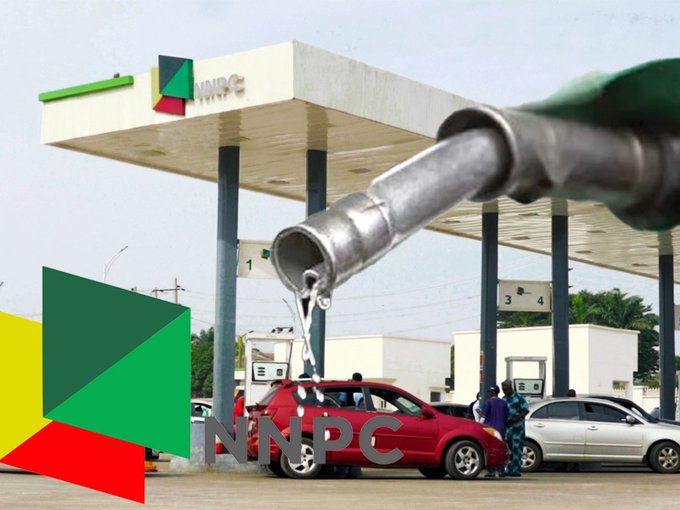
ABUJA / LAGOS — The Nigerian downstream petroleum sector is currently navigating a period of significant transition. Following a series of strategic shifts in domestic supply and global market conditions, the Nigerian National Petroleum Company Limited (NNPCL) has initiated downward adjustments to the pump price of Premium Motor Spirit (PMS) at its retail outlets across Lagos and Abuja.
This development, observed on June 23, 2026, reflects a broader shift toward a more competitive retail landscape, driven by increased domestic refining capacity and responsive market mechanisms.
The New Pump Price Structure
The retail sector in Nigeria has witnessed a notable cooling in prices, providing much-needed relief to motorists and transport-dependent businesses. The downward adjustment, ranging from ₦75 to ₦85 per litre, represents a strategic realignment of retail costs to reflect current supply chain efficiencies.
As of late June 2026, the updated pricing at key NNPCL retail locations was as follows:
-
Lagos: The pump price was lowered to ₦1,210 per litre, a significant reduction from the previous benchmark of ₦1,295.
-
Abuja: Motorists in the Federal Capital Territory saw prices adjusted to ₦1,260 per litre, down from the previous high of ₦1,335.
These adjustments were actively observed across major outlets, including those at Marina and Igando in Lagos, as well as the high-traffic stations along the Kubwa Expressway, Wuse Zone 6 (Berger), and Zone 4 in Abuja.
The Role of Domestic Refining in Market Stability
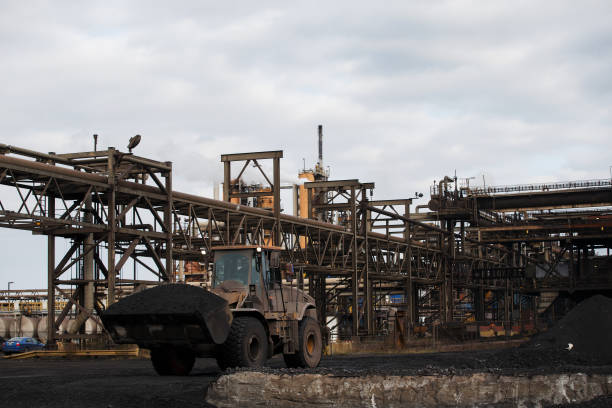
The catalyst for these retail adjustments lies in the increased output from domestic infrastructure, most notably the Dangote Petroleum Refinery. On June 16, 2026, the refinery announced a reduction in its ex-gantry (wholesale) price to ₦1,175 per litre. This decision was primarily prompted by a de-escalation in geopolitical tensions in the Middle East, which led to a stabilization of global crude oil prices—a critical factor given that crude oil remains the primary feedstock for refined petroleum products.
The ability of a major domestic refinery to pass these global savings directly to the Nigerian market marks a pivotal change in the country’s energy landscape. Historically, Nigeria relied heavily on imported gasoline, making domestic prices highly susceptible to currency fluctuations and international shipping costs. By producing fuel locally, the country is increasingly able to create a buffer against these external shocks, ensuring that price movements are more closely aligned with domestic production and logistics costs.
Read Also: Ex-NNPCL Boss Kyari Challenges Senate Arrest Warrant
Competitive Pressure and Consumer Benefits
Industry analysts have highlighted that this transition toward a competitive downstream market is essential for the long-term health of the Nigerian economy. In a deregulated market environment, marketers are under continuous pressure to align retail pump prices with falling replacement and ex-depot costs to remain competitive.
The NNPCL’s decision to lower prices at its retail outlets acts as a critical benchmark. Because NNPCL operates one of the largest retail networks in the country, its pricing moves exert downward pressure on independent marketers, who must also adjust their rates to maintain their share of the market. This competitive dynamic is expected to:
-
Promote Fairness: Prevent opportunistic profiteering and ensure that price benefits are passed on to the end consumer.
-
Increase Transparency: Encourage a market where pricing is visible and based on verifiable supply-side data.
-
Enhance Supply Availability: Foster an environment where efficient logistics and fair pricing incentivize retailers to maintain stable product stocks.
Navigating Future Market Volatility
While the recent price reductions are a welcome development, market watchers emphasize that the downstream sector remains sensitive to global shifts. As of July 2026, while petrol prices have softened, the industry remains vigilant regarding potential fluctuations in global crude benchmarks and the complexities of local distribution.
For businesses and households, this evolving market requires a more nuanced understanding of how global and local factors influence the costs of transportation and operations. The government, through the Nigerian Midstream and Downstream Petroleum Regulatory Authority (NMDPRA), continues to play a vital role in monitoring retail outlets to ensure that price reductions are implemented fairly and that consumers receive the exact volume of fuel for which they pay.
As the downstream sector continues to mature, the combination of domestic refining and competitive retail strategies is paving the way for a more stable, transparent, and consumer-oriented energy market in Nigeria.