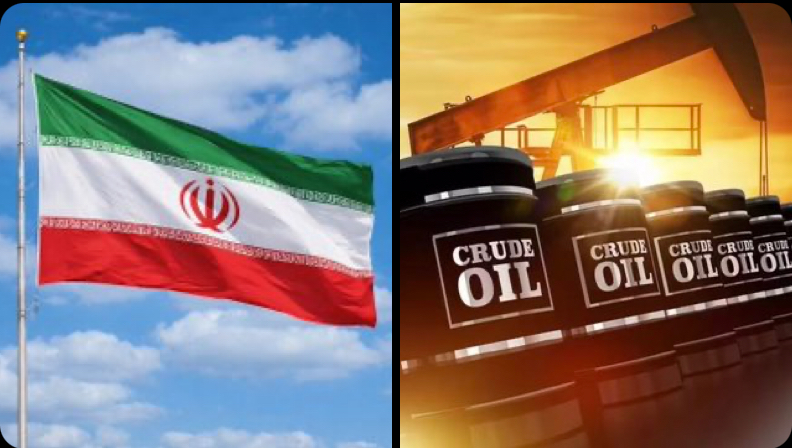
WASHINGTON — In a major diplomatic breakthrough aimed at ending the four-month conflict between Washington and Tehran, the United States will permit Iran to immediately resume the export of oil and fuel. This provision is a central component of a Memorandum of Understanding (MOU) reached between the two nations, which also mandates a permanent ceasefire across all fronts, including Lebanon.
A senior U.S. official confirmed the development on Tuesday, noting that the waiver of sanctions on Iranian energy sales will take effect upon the formal signing of the agreement, which is scheduled for later this week in Switzerland. Beyond oil exports, the sanctions waiver extends to essential support services, including international banking, maritime transportation, and insurance, designed to facilitate a return to commercial trade.
However, the administration has emphasized that the deal is strictly performance-based. According to officials speaking on condition of anonymity, Iran’s access to these economic benefits is contingent upon its continued adherence to specific benchmarks. These include a verifiable commitment to never acquire a nuclear weapon, the neutralization of existing enriched material, and a guarantee to ensure the free flow of navigation through the Strait of Hormuz.
The agreement comes after months of intense tensions, during which the U.S. military maintained a naval blockade on Iranian ports a move that effectively stifled the export of oil through the Strait of Hormuz, a critical waterway through which roughly 20% of the world’s petroleum and liquefied natural gas typically flows. The blockade was established following a sharp escalation in hostilities on February 28, when attacks involving the U.S. and Israel were launched against Iran.
Sanctions experts have expressed mixed reactions to the news. Brett Erickson, a managing principal at Obsidian Risk Advisors, described the move as a “multibillion-dollar concession to Tehran.” Erickson noted that Iran currently holds over 100 million barrels of oil in storage and on tankers, a significant portion of which could now be introduced into the global market.
While the MOU establishes a path toward de-escalation, it functions primarily as a framework agreement. Both nations are expected to enter a 60-day period of follow-up negotiations immediately following the signing ceremony. These technical talks are intended to address the long-term status of Iran’s nuclear program, potential further sanctions relief, and broader security arrangements in the Middle East.
As the international community watches these developments, shipping activity in the Strait of Hormuz remains cautious, and both Washington and Tehran continue to manage internal political scrutiny regarding the specific terms and potential outcomes of this newly forged diplomatic roadmap.