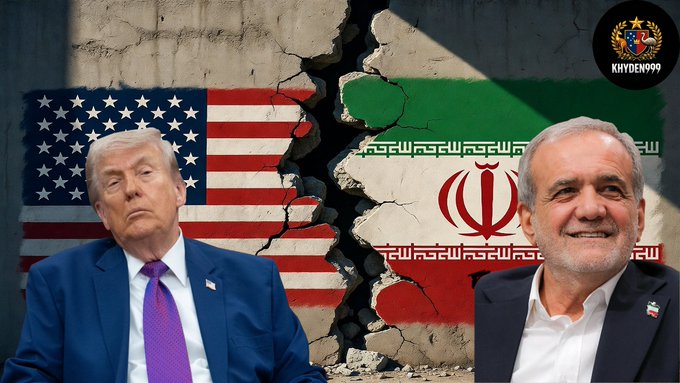
WASHINGTON/TEHRAN — Global energy markets were thrown into fresh turmoil on Monday as President Donald Trump abruptly dismissed Iran’s counter-proposal to end the 10-week-old conflict in the Middle East. The rejection has dashed hopes for a swift reopening of the Strait of Hormuz, the world’s most vital oil artery, which has remained largely paralyzed since hostilities began on February 28, 2026.
The Deadlock: "Generous Offer" vs. "Totally Unacceptable"
The diplomatic standoff reached a fever pitch following Iran's Sunday response to a U.S.-led peace initiative. Tehran’s proposal was multifaceted, demanding not only a ceasefire in the Persian Gulf but also an end to the conflict in Lebanon, where Israel continues to battle Hezbollah.
Iranian Foreign Ministry spokesperson Esmaeil Baghaei described the offer as "generous and responsible," outlining several non-negotiable demands:
1. Sovereignty & Security: Affirmation of Iranian control over the Strait of Hormuz.
2. Economic Redress: Compensation for war damages and the release of billions in frozen assets.
3. Lifting of Blockades: An immediate end to the U.S. naval blockade and the ban on Iranian oil sales.
President Trump, however, took to Truth Social within hours to terminate any hope of a quick deal, labeling the terms "TOTALLY UNACCEPTABLE." The U.S. position remains firm: fighting must cease entirely before negotiations can begin on complex issues like Iran’s nuclear program and ballistic missile capabilities.
Oil Markets React to Hormuz Paralysis
The immediate fallout was felt in the energy pits, where crude prices jumped nearly 3% on Monday. The Strait of Hormuz, which traditionally handles 20% of the world’s oil and liquefied natural gas (LNG), has become a ghost waterway. While three "dark" tankers ships with their transponders disabled to avoid Iranian targeting—reportedly exited the strait last week, the flow remains a mere fraction of pre-war levels.
This prolonged closure is exerting immense pressure on the global economy. In the United States, voters are facing a "pain at the pump" crisis with sharply higher gasoline prices, a political vulnerability for the Republican Party as the 2027 legislative elections loom less than six months away.
Diplomatic Pressure and the Beijing Summit
The focus now shifts to the Far East. President Trump is scheduled to arrive in Beijing this Wednesday for high-stakes talks with Chinese President Xi Jinping. Trump is expected to pressure China to leverage its significant economic influence over Tehran to force a concession.
However, Iran has expressed hope that China will instead use the summit to challenge what it calls "U.S. bullying." Meanwhile, the regional threat remains active; the UAE recently intercepted drones coming from Iranian territory, and clashes persist in southern Lebanon despite a mid-April ceasefire attempt.
A War of Attrition?
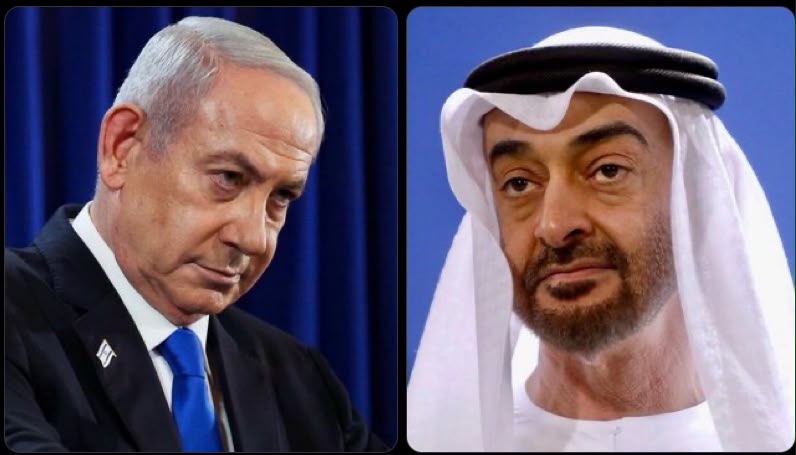
The rhetoric from leadership suggests a long road ahead. While Trump remarked that Iran is "defeated" but "not done," Israeli Prime Minister Benjamin Netanyahu warned that the war continues until Iran’s enriched uranium is removed and its proxies dismantled. Conversely, Iranian President Masoud Pezeshkian vowed that the Islamic Republic would "never bow down" to external pressure, signaling that the "Straitjacket" on global energy may not be loosened anytime soon.