OTTAWA — Canada’s economy has officially entered a technical recession, according to the latest data released by Statistics Canada on May 29, 2026. The nation recorded a 0.1% annualized decline in real Gross Domestic Product (GDP) during the first quarter of 2026, marking the second consecutive quarter of negative growth following a revised 1.0% contraction in Q4 2025.
Understanding the "Technical Recession"
In economic terms, a "technical recession" is most commonly defined as two consecutive quarters of negative GDP growth. While this milestone has been reached, economists remain divided on whether this signals a broader, systemic downturn or if it is simply a period of stagnant growth.
Weakness vs. Severity: Analysts, including those from TD Bank, have noted that the 0.1% decline is marginal essentially bordering on zero and could be subject to upward revisions as more data becomes available.
Contrasting Views: While the mathematical criteria have been met, many economists argue that the lack of widespread weakness across all sectors means the term "recession" may overstate the actual severity of the economic situation.
Key Factors Impacting Growth
The contraction has been driven by a confluence of external and internal pressures:
• Trade Uncertainty & Tariffs: Export performance has suffered, particularly in the automotive sector, as uncertainty surrounding the CUSMA trade review and U.S. tariff policy continues to weigh on investor confidence.
• Stalled Investment: Business capital investment saw its fifth consecutive quarterly decline, as firms remain hesitant to commit to large-scale projects amidst volatile trade conditions.
• Resilient Consumer Spending: Despite broader economic challenges, household consumption provided a necessary buffer, growing by 0.4% in Q1, led by increased spending on financial services and food.
The Path Ahead
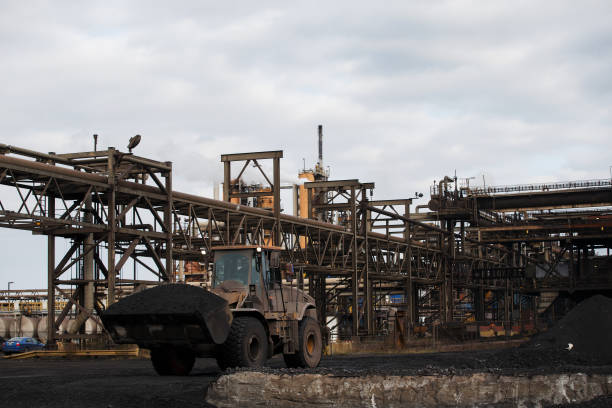
While the first quarter presented significant headwinds, Statistics Canada’s advance estimate for April 2026 offers a glimmer of optimism, projecting a potential rebound of 0.4% month-over-month. Driven by strength in the mining, oil, and gas sectors, this suggests that the economy may already be shifting back toward growth as it enters the second quarter.
The Bank of Canada, which currently projects an annual growth rate of 1.2% for the year, is expected to continue its "wait-and-see" approach, weighing the impacts of temporary energy-driven inflation against the need to support a fragile recovery.