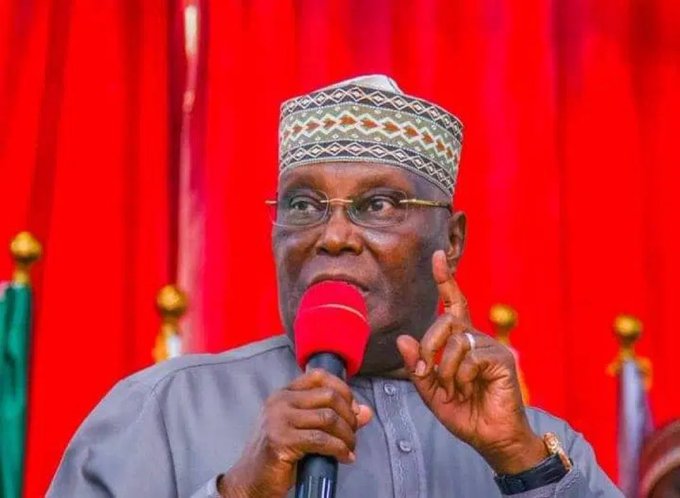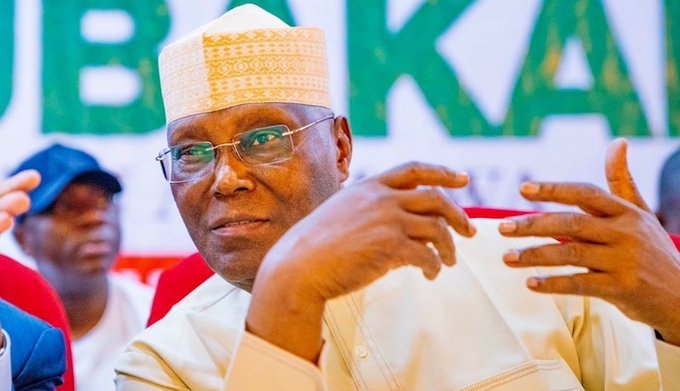
ABUJA, NIGERIA — The presidential candidate of the African Democratic Congress (ADC), Atiku Abubakar, has intensified his critique of the current administration’s fiscal management, calling for an immediate, independent bipartisan investigation into the national budgeting process. Atiku's demand follows the discovery of a N6.44 billion line item in the 2026 budget earmarked for a "Special Presidential Support Group for the 2026 World Cup Qualifiers," an allocation he notes was retained despite the national football team's elimination from the qualification series in November 2025.
The opposition leader's critique extends beyond sports funding, linking the controversial sports allocation to a broader institutional oversight dispute involving the Presidential Foreign Investment Promotion Council (PFIPC). Through a comprehensive statement issued on Wednesday by his Senior Special Assistant on Public Communication, Phrank Shaibu, Atiku challenged the integrity of the federal appropriation system, characterizing these developments as evidence of a systemic breakdown in budgetary oversight and public accountability.
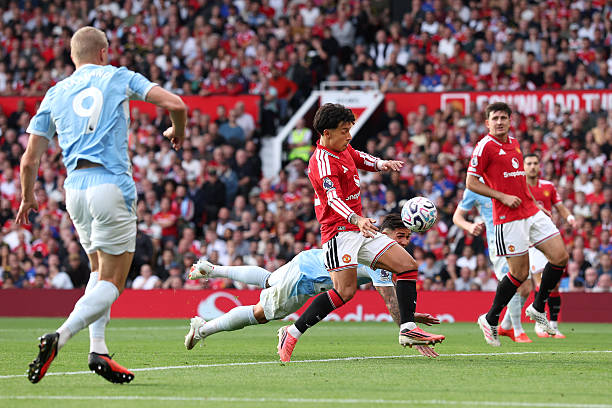
The Controversy Surrounding the N6.44 Billion World Cup Allocation
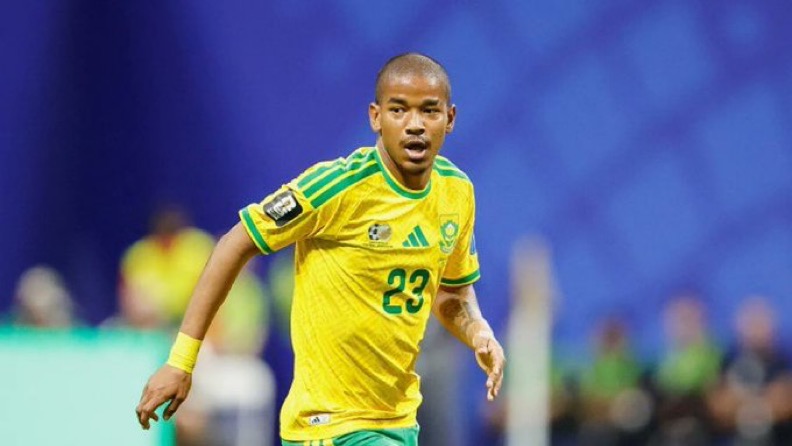
The primary focus of the political dispute centers on the timeline of the 2026 budget preparation relative to the performance of the national football team. Official sports records confirm that Nigeria's bid for the 2026 World Cup concluded unsuccessfully in November 2025. However, the N6.44 billion provision for the presidential support group remained intact when the 2026 Appropriation Bill was subsequently presented to and debated by the National Assembly in December.
This discrepancy has raised serious questions from opposition figures regarding the review mechanisms used before the financial blueprint was finalized. Atiku questioned how a functional administration could allocate billions in public funds to support a sporting campaign that had already officially ended.
"How does a serious government budget N6.44 billion for presidential support for World Cup qualifiers after the country had already been eliminated?" Atiku asked in his official brief. "What competition was the money intended to support? Who inserted the provision, who approved it, and who was expected to benefit from an expenditure whose stated purpose had already ceased to exist?"
The ADC candidate argued that the inclusion of defunct projects within the national financial plan undermines public trust in the budgeting process. He suggested that such instances give credence to long-standing public concerns that the national budget is occasionally used to harbor unvalidated expenditures, leading to avoidable fiscal waste rather than addressing pressing public welfare needs.
Intersecting Institutional Governance Disputes: The PFIPC Case
Atiku connected the sports funding issue to a more complex administrative dispute involving the Presidential Foreign Investment Promotion Council (PFIPC). The Presidency recently characterized the PFIPC as an unauthorized, fictitious entity, leading to the arrest of its self-styled Director General, Adeniyi Adeyemi.
However, the opposition contends that the situation cannot be dismissed as a simple case of individual impersonation. Atiku points out that the organization managed to establish an operational presence that typically requires significant institutional clearance. Before the recent law enforcement intervention, the council had successfully secured office space within the Federal Secretariat, recruited over 300 personnel, and engaged with various diplomatic and international trade interests using the appearance of official state backing.
Most notably, the opposition highlights reports indicating that the PFIPC was tied to an alleged N1.3 billion provision within the 2026 Appropriation Act. Atiku argues that an operation of this scale could not have functioned within secure government facilities without either a complete failure of internal security protocols or tacit assistance from officials within the administrative hierarchy.
Allegations of Political Maneuvering and Narrative Control
The political dispute has intensified following allegations from the opposition that the executive branch is attempting to manage the public narrative surrounding the PFIPC investigation. Atiku alleged that the timing and nature of the recent arrests within the council are being leveraged to steer blame away from administrative oversight failures and direct it toward political opponents.
The ADC flagbearer expressed concern over reports that the executive branch has ordered fresh internal reviews into the matter, noting that parts of the dispute are already subject to formal judicial proceedings. He argued that allowing an administration to internally investigate a controversy that implicates its own regulatory agencies creates an inherent conflict of interest that could compromise the transparency of the findings.
"The scandal is not merely that one man allegedly impersonated public authority," Atiku stated. "The greater scandal is that the administration allegedly opened the doors of the Nigerian state to him, allowed him to acquire the appearance and privileges of official legitimacy, and permitted him to interact with institutions and diplomatic interests in the name of the federal government."
Calls for Structural Reform and Bipartisan Legislative Action
To ensure a credible resolution to these fiscal and administrative questions, Atiku has officially requested that the National Assembly exercise its oversight powers by establishing an independent, bipartisan panel. He emphasized that only a transparent legislative inquiry, insulated from executive influence, can accurately determine how these controversial items were introduced into the national budget.
The call for an independent inquiry has extended beyond political circles, with the opposition urging key civil society groups—including the Nigerian Bar Association (NBA) and independent anti-corruption watchdogs—to closely monitor the situation. Atiku emphasized that maintaining absolute transparency in both budget management and institutional appointments is vital to preserving Nigeria's international standing and economic credibility.
As the National Assembly prepares for its upcoming legislative sessions, pressure is mounting on the relevant committees on appropriation, sports development, and internal security to address these oversight gaps. The resolution of this dispute will likely serve as a significant test of the legislature's ability to enforce fiscal discipline and maintain robust checks and balances within the federal government.