As of June 1, 2026, the situation regarding both the Strait of Hormuz naval blockade and Bitcoin's market performance remains highly volatile and complex, with a notable disconnect between political rhetoric and operational reality.
The Blockade: Rhetoric vs. Reality
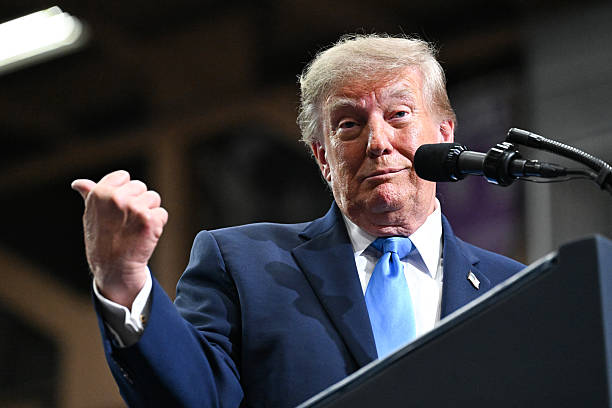
While U.S. President Donald Trump recently announced via Truth Social that the U.S. naval blockade on Iranian ports would be lifted, subsequent reports from the region indicate that the blockade remains fully in effect.
Iranian seafarers and regional news agencies, such as Tasnim, have reported that vessels attempting to enter or exit Iranian ports continue to receive stop warnings and denial of passage from U.S. Central Command (CENTCOM). This discrepancy has drawn sharp criticism from Iranian officials, who have accused the U.S. administration of engaging in diplomatic theater while maintaining an active maritime siege.
Bitcoin Market Performance
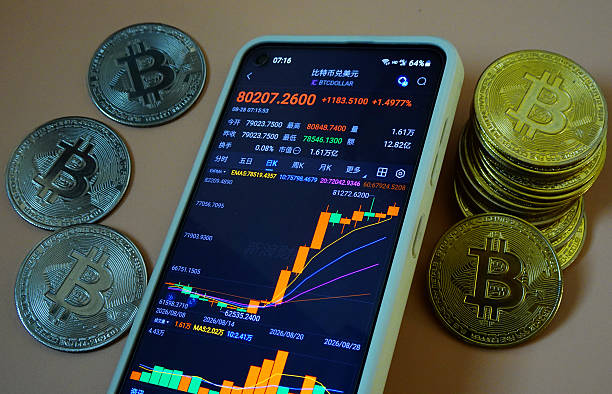
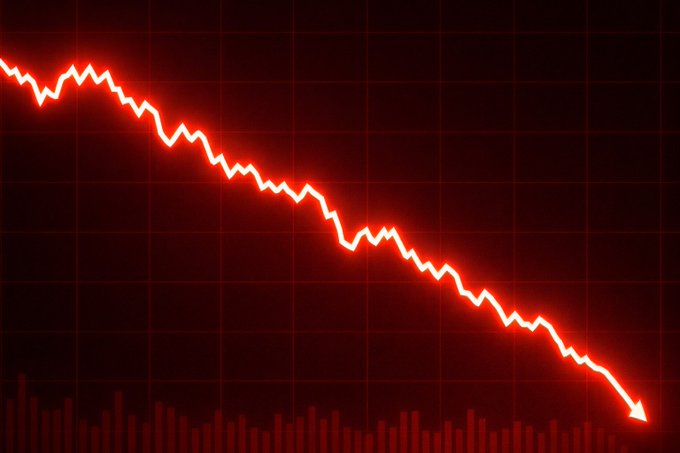
Bitcoin’s price has failed to sustain the momentum suggested by earlier optimistic headlines. As of this morning, Bitcoin is trading in the $62,500 – $63,500 range, significantly lower than the $74,000 level that was briefly anticipated following the President's announcement.
• Market Sentiment: The broader cryptocurrency market has struggled with downward pressure throughout the weekend. The "war premium" the extra value priced into assets due to geopolitical conflict remains a significant factor for traders, as investors continue to weigh the ongoing risks in the Middle East against potential signals of de-escalation.
• Institutional Context: While long-term indicators like institutional ETF interest and shrinking exchange reserves have historically supported a bullish outlook, current price action reflects a cautious, risk-off sentiment among market participants.
The 2026 Strait of Hormuz crisis now in its fourth month continues to serve as a major driver of global economic and crypto market volatility. Markets are expected to remain sensitive to any verifiable changes in maritime operations, as traders continue to monitor headlines for signs of a definitive shift in the region's geopolitical landscape.