JOHANNESBURG, South Africa — The landscape of African broadcasting has undergone a permanent transformation. French media powerhouse Canal+ has officially completed the full integration of MultiChoice Group, the parent company of the continent’s premier pay-TV platforms, DStv and GOtv. This $3 billion (approximately R55 billion) transaction marks one of the most significant foreign direct investments in the African media sector in recent history, effectively turning MultiChoice into a wholly owned subsidiary of a truly global media entity.
The finalization of this deal, which concludes a multi-year acquisition process initiated in 2023, brings a close to a complex series of regulatory negotiations and shareholder dealings. For MultiChoice, a company that has been the bedrock of television entertainment in Africa for decades, this integration represents a transition from a Johannesburg-listed broadcaster to a pivotal component of an international group operating in over 70 countries.
A Journey to Full Ownership: The Road to Integration
The acquisition was not a singular event but a calculated, years-long strategy. Canal+, which was already MultiChoice’s largest shareholder, launched its bid to acquire the remaining outstanding shares after steadily accumulating a stake that crossed the 35% threshold—a trigger point that mandates a full takeover offer under South African law.
The transaction was meticulously negotiated, requiring approval from the South African Competition Commission, the Competition Tribunal, and various regional broadcasting regulators across the 50 African markets where MultiChoice operates. A major hurdle in this process was South Africa's stringent broadcasting ownership laws, which prioritize domestic control. To navigate these requirements, the entities established a separate domestic vehicle, "LicenceCo." This entity was designed specifically to manage local broadcasting operations under structures that strictly adhere to South African legislative requirements, ensuring that the takeover did not infringe upon national media sovereignty.
Regulatory clearance was formally granted in early 2025, and following the final legal consolidation, Canal+ officially finalized the takeover in September 2025. By June 3, 2026, the company cemented its commitment to the local market with a secondary listing on the Johannesburg Stock Exchange (JSE), signaling that while the ownership is now global, the company’s roots in the African financial market remain a priority.
Financial Scope and Market Impact
The buyout was valued at approximately $3 billion, based on a purchase price of R125 per share. With roughly 442.5 million shares outstanding, the scale of the investment reflects the confidence Canal+ has in the long-term viability of the African consumer market. Having already acquired roughly 45% of the business through initial market purchases, Canal+ invested an additional R35 billion (approximately $1.9 billion) to secure the remaining equity.
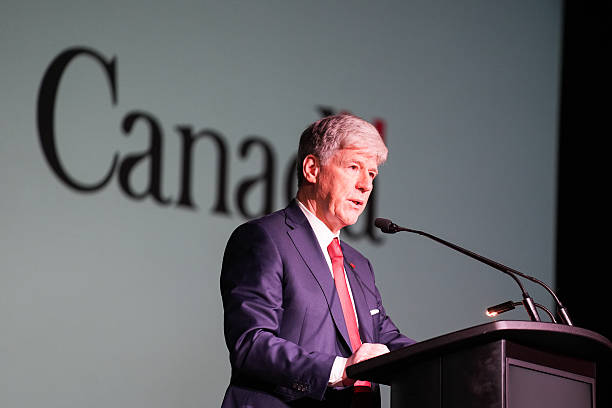
David Mignot, Chief Executive Officer of Canal+ Africa and MultiChoice, emphasized the strategic importance of this integration: “MultiChoice is now a full subsidiary of a truly international media group. The group was founded in France, is listed in London and Johannesburg, and has a strong African presence with operations in more than 45 countries.”
Strategic Synergy: Competing in the Streaming Age
The rationale behind this acquisition goes beyond market dominance. In an era where global streaming giants like Netflix, Amazon Prime Video, and Disney+ are aggressively expanding their footprint in Africa, the combined entity of Canal+ and MultiChoice offers a defensive and offensive bulwark.
The integration provides the new group with several competitive advantages:
-
Enhanced Streaming Capabilities: Investment will be prioritized for Showmax, MultiChoice’s streaming platform, to better compete with international SVOD (Subscription Video on Demand) services.
-
Content Aggregation: The group now possesses significantly increased bargaining power when negotiating premium sports rights—such as the English Premier League and various CAF tournaments—and international film licenses.
-
Global Export of African Content: Through the resources of StudioCanal, the group plans to increase the international distribution of African-produced film, television, and sports content, bringing local stories to a wider global audience.
-
Technology Infrastructure: The combined resources allow for faster investment in digital infrastructure and technology, essential for delivering high-quality content across diverse and often challenging network environments in Africa.
Stability Over Restructuring
A primary concern for stakeholders, employees, and the millions of DStv and GOtv subscribers was whether this takeover would lead to mass restructuring or service degradation. Canal+ has been clear in its messaging: the intention is to build upon MultiChoice’s established operations rather than dismantle them.
The strategy is one of "growth through investment." By leveraging Canal+’s massive financial resources and technical expertise, the group intends to strengthen the existing MultiChoice ecosystem. This approach is intended to provide stability to the workforce and ensure continuity for subscribers who rely on the platform for news, sports, and cultural entertainment.
The Future of African Media
The successful acquisition marks a milestone in the "internationalization" of African media businesses. It demonstrates that African media assets are increasingly viewed as high-value, high-growth opportunities by global investors.
As the combined group moves into this new chapter, it will likely face ongoing scrutiny regarding its pricing models, content diversity, and its role in fostering local creative industries. However, for the media industry at large, the deal proves that the African market is no longer a peripheral player. It is a central, thriving hub of content consumption and digital innovation.
With the legal and operational integration finalized, the focus now shifts to the execution of the group's long-term vision. For the consumer, the hope is that this infusion of capital and global expertise will lead to more affordable content, better streaming quality, and a broader array of African stories told on the world stage. As Canal+ settles into its role as the owner of the continent’s largest broadcaster, the world will be watching to see how the new powerhouse utilizes its resources to define the next decade of African television.
Now that the acquisition is complete, what do you believe will be the biggest challenge for Canal+ in balancing the needs of the diverse African market with the demands of its international shareholders?
What's your opinion ?