ABUJA — While reports of potential peace talks between the United States and Iran have triggered a cooling of global oil prices, energy experts are warning Nigerian consumers not to anticipate an immediate or significant reduction in petrol pump prices.
Market Reaction vs. Domestic Reality
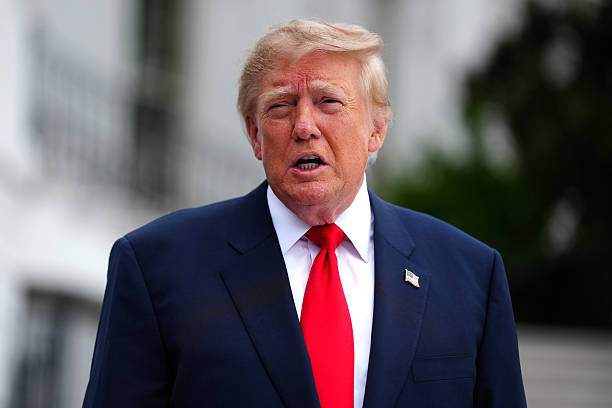
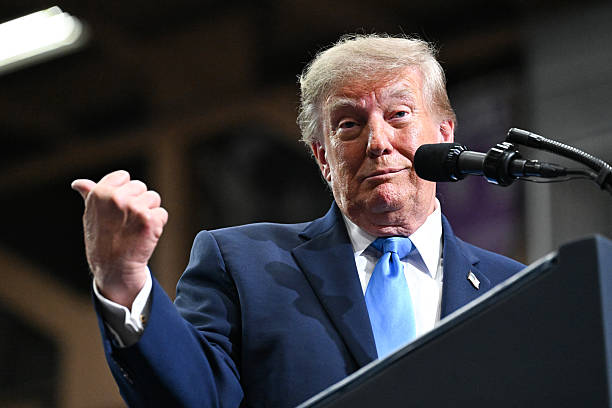
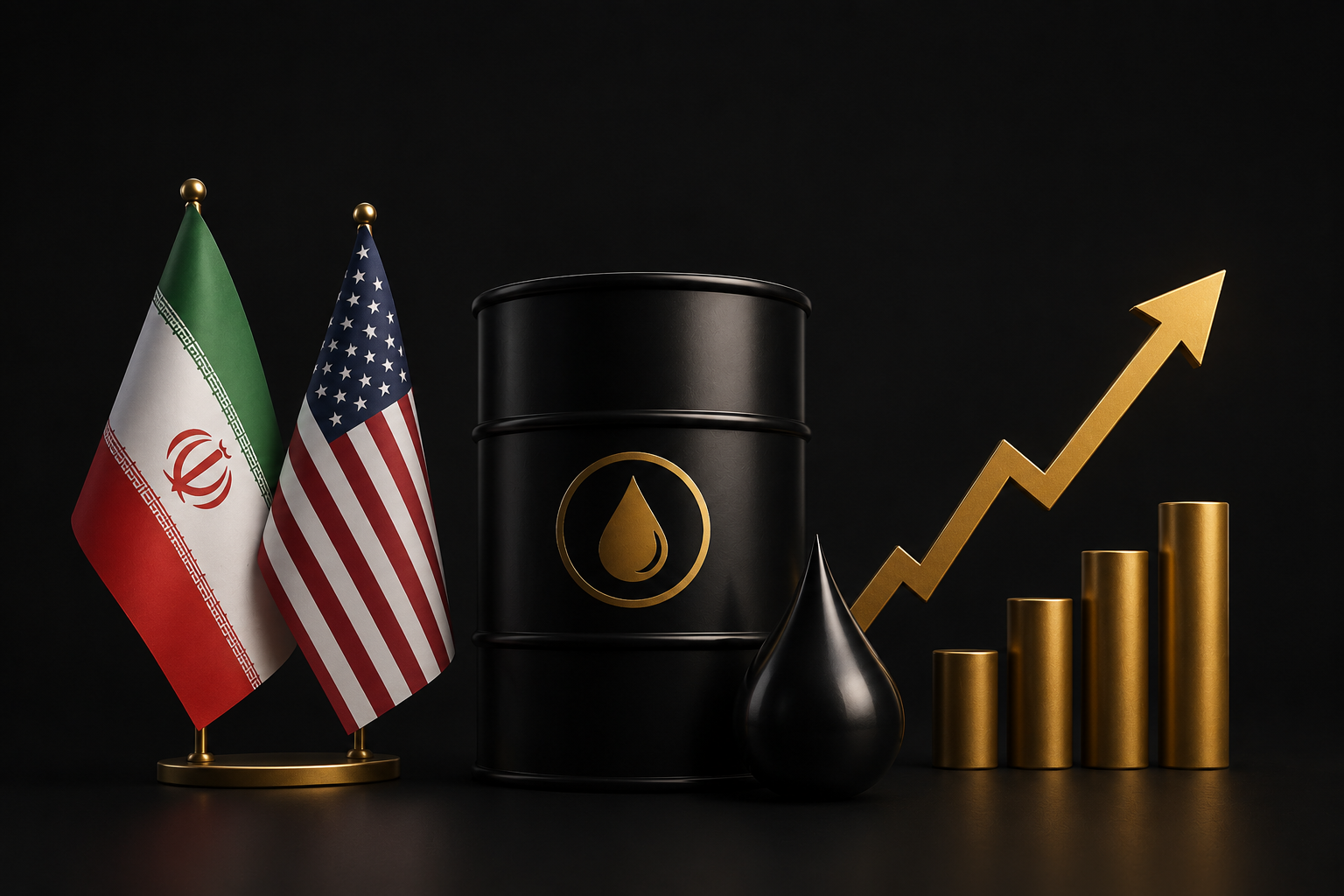
The international oil market responded swiftly to signals from U.S. President Donald Trump that negotiations were progressing, causing Brent Crude to retreat from peaks above $90 per barrel to approximately $87.33. This dip reflects the easing of the "geopolitical risk premium" the extra cost traders add to oil during times of conflict specifically regarding fears of disruptions in the vital Strait of Hormuz.
However, industry analysts emphasize that this global adjustment is insufficient to offset the domestic economic pressures currently driving fuel costs in Nigeria, which have nearly doubled since February.
Why Pump Prices Remain High
Experts highlight several critical factors beyond the crude oil price that dictate the cost of fuel at the pump:
-
The Exchange Rate Factor: Dr. Ayodele Oni, an oil and gas expert, noted that the petroleum sector is heavily dollar-denominated. "If the naira remains under pressure, any gains from lower crude prices could be erased," he explained.
-
Market Deregulation: Since the implementation of the Petroleum Industry Act and the removal of fuel subsidies, Nigeria’s fuel pricing has shifted to market forces. Professor Dayo Ayoade of the University of Lagos noted that there is no longer a "fixed" or "normal" price, making consumers more vulnerable to volatility.
-
Supply Chain Costs: Beyond the raw material, the final price is heavily influenced by refining costs, transportation expenses, distribution margins, and financing costs. These overheads do not decrease simply because the price of crude oil drops.
-
Lack of a Formal Agreement: Professor Emeritus Wumi Iledare cautioned that the current price dip is based on "expectations." Until a binding agreement is formally signed and results in a sustained, tangible increase in global oil supply, market uncertainty will persist.
A New Economic Paradigm
The consensus among experts is that Nigerians must adjust to a "new normal" in the energy market. With geopolitical tensions remaining inherent to the Middle East, volatility is expected to continue.
"Consumers should understand that fluctuations in international oil prices are now only one of several factors," Professor Ayoade stated. "Lower crude prices are beneficial, but the market environment has fundamentally changed, and they do not guarantee a return to previous price levels."
Ultimately, experts conclude that for Nigerians to see a meaningful reduction at the filling station, global price softening must be accompanied by internal economic stability, particularly regarding foreign exchange and improved supply chain efficiency.